Solid Wood Versus Veneer for Fine Furniture
A richly inlaid walnut table can stop a room in its tracks, but its beauty is not determined by one label alone. When considering solid wood versus veneer, the right choice depends on the piece’s construction, its decorative technique, where it will live, and what you expect from it over many years. A carved side table, a mother-of-pearl chess set, and a large dining surface do not ask the same things of their materials.
For buyers who appreciate authentic Damascene craftsmanship, this distinction matters. Fine woodwork is a marriage of material and human skill. Solid timber offers depth, warmth, and a sense of permanence, while carefully selected wood veneer can make detailed marquetry and breathtaking geometric ornament possible. Neither deserves to be judged by appearance alone.
Solid Wood Versus Veneer: What the Terms Really Mean
Solid wood furniture is made from boards or components cut from natural lumber. A solid walnut cabinet door, for example, is walnut through its full thickness. The grain continues through the material, and the surface can usually be refinished many times over the life of the piece.
Veneer is a thin sheet of real wood, often sliced from a particularly beautiful log, applied over a stable base. That base may be furniture-grade plywood, engineered wood, or another carefully built substrate. Veneer is not printed wood, plastic laminate, or a false finish. It is genuine timber with genuine grain, color variation, and natural character.
The confusion comes from the fact that veneer can appear in both disposable furniture and exceptional artisan work. A thin, poorly applied veneer over weak board is a very different proposition from hand-laid walnut veneer over a strong, properly constructed core. The first is made to meet a price point. The second may be essential to a highly refined design.
Why Solid Wood Feels So Special
Solid wood has an immediate, tactile presence. It carries the density of the tree, subtle changes in grain, and the small marks of hand-finishing. Walnut is especially admired for its deep, chocolate-toned body and fluid figuring, while lemon wood brings a lighter golden contrast that makes inlay patterns glow.
For structural elements such as legs, rails, frames, carved panels, and thick tabletops, solid wood is often the natural choice. It holds joinery beautifully when crafted well. Traditional techniques such as mortise-and-tenon construction, dovetails, and hand carving all benefit from substantial timber.
It also has a long restoration life. A solid wood surface with light scratches, water rings, or an aged finish can often be gently sanded and refinished. That is one reason solid furniture is associated with heirloom quality. It is designed to gain a story rather than become obsolete after one imperfect season.
Yet solid wood is not invincible. Timber responds to humidity and temperature. It expands and contracts across the grain, which means a wide solid panel requires thoughtful construction and room to move. In a very dry, air-conditioned home or a humid coastal setting, poorly built solid furniture can crack, cup, or shift at its joints.
Where Veneer Shows Its Finest Character
Veneer earns its place when beauty needs precision. A single exceptional log can be sliced into consecutive leaves, allowing a craftsperson to create mirrored grain patterns across a tabletop, box lid, or cabinet face. This is called bookmatching, and it creates the kind of symmetry that feels composed rather than accidental.
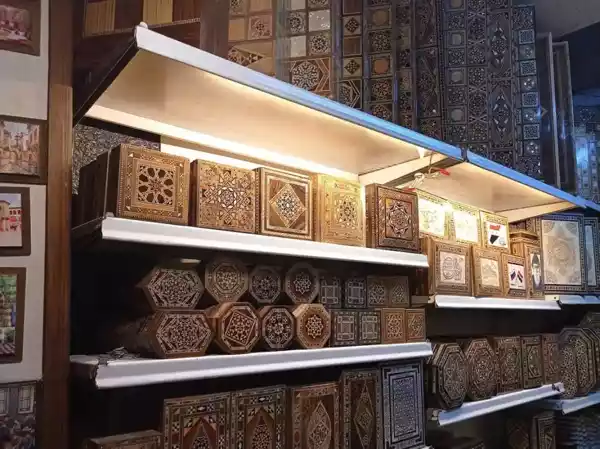
In the world of Damascene marquetry, veneer is often part of the artistry itself. Intricate starbursts, arabesques, floral motifs, and geometric mosaics require small, exact pieces of contrasting wood arranged with remarkable patience. Mother-of-pearl and copper inlay can be set into a carefully prepared decorative surface, producing a luxurious dialogue between warm wood, luminous shell, and metal.
A stable veneered panel can also be a smart choice for broad surfaces. Because the core is engineered to resist movement, it may remain flatter than a single wide slab of solid wood. This makes veneer especially practical for large cabinet sides, dining tables, desk tops, decorative wall panels, and ornate furniture fronts.
The quality question is not whether veneer exists. Ask how it is used. A beautiful veneer should be thick enough for its purpose, cleanly joined, securely bonded, and finished with care. Its edges should not lift, bubble, or reveal an awkward transition to the substrate. On a finely made piece, the veneer is not hiding a lack of craftsmanship. It is displaying it.
Durability Depends on Construction, Not Just Material
A solid wood object can last for generations, but so can a well-made veneered one. Durability begins with proportion, joinery, material selection, and finish. A solid wood table with weak corner blocks is not automatically superior to a veneered table built on a stable hardwood framework.
That said, the two materials respond differently to damage. Deep gouges in solid wood are usually more forgiving because there is material beneath the surface. Veneer has a limited wear layer. Once it is sanded through, repair becomes more specialized. Minor marks can still be addressed, but aggressive sanding should never be the first response.
For daily family dining, a thick solid wood top may be reassuring if you welcome the gradual patina of use. For a formal console, an inlaid serving tray, a statement cabinet, or a decorative game table, veneer may offer extraordinary visual refinement with excellent stability. The best choice is shaped by how the piece will be enjoyed, not by an assumption that one construction method always wins.
The Beauty Test: Look Beyond the Label
When shopping for luxury furniture or handcrafted décor, train your eye to notice the details that reveal quality. Grain should feel intentional, whether it runs naturally through solid boards or is symmetrically arranged in veneer. Corners should be clean. Inlay should sit flush rather than look raised, rough, or filled with excessive glue.
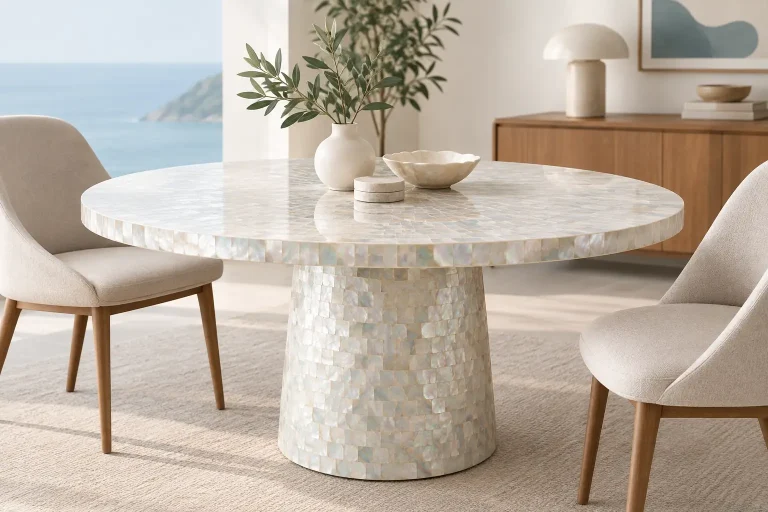
Examine how the piece meets the hand. Fine finishing has a quiet confidence: smooth edges, an even sheen, and no harsh chemical smell. In a mother-of-pearl surface, the shell should catch light with depth and variation. In walnut, the finish should reveal the grain rather than bury it beneath a thick, artificial-looking coating.
It is also worth asking which parts are solid wood and which are veneered. A transparent maker should welcome the question. Many premium pieces use a combination because each material serves a different purpose – solid wood for strength and sculptural elements, veneer for expansive decorative panels and precise marquetry.
Cost, Value, and Responsible Use of Timber
Solid wood usually costs more because it uses thicker lumber, requires longer drying time, and creates more material waste during cutting. Rare, beautifully figured boards also command a premium. For a substantial handmade walnut furnishing, that investment can be meaningful and justified.
Veneer allows a rare or visually dramatic log to be used with far less waste. Rather than turning one remarkable piece of walnut into a few thick boards, it can provide a continuous decorative face for many carefully made objects. Used responsibly, this is not a compromise in beauty. It is an intelligent way to honor exceptional timber.
Value should be measured by more than wood thickness. Consider the complexity of the handwork, the originality of the design, the quality of the inlay, the strength of the frame, and whether the piece will remain beloved in your home. A handmade mosaic box or custom inlaid table may carry collectible value precisely because of the time, cultural knowledge, and skill held within its surface.
Questions to Ask Before You Buy
Before choosing a statement piece, ask the maker what wood species are used, which areas are solid timber, and what supports the veneered sections. Ask how the inlay is installed, what finish protects the surface, and how the piece should be cared for in your climate. For a custom commission, request wood-tone and finish samples so the finished piece belongs naturally with your interior.
At Damasch Magic East, the distinction is especially meaningful because traditional decorative work often calls for both structural wood and delicate surface artistry. A custom sketch and material conversation can help match the construction to the scale, function, and visual ambition of your home, office, or hospitality project.
A piece worthy of your space should feel considered from every angle. Choose solid wood when you want substantial structure, carving, and a surface that can age generously. Choose fine veneer when you are drawn to exquisite grain composition, stable panels, and intricate marquetry. Then give it the care it deserves: keep it away from prolonged direct sun, wipe spills promptly, and let its hand-crafted character become part of the life gathered around it.