Mother-of-Pearl Table Review: Is It Worth It?
A true mother-of-pearl table changes a room before anyone has taken a seat. Light catches the hand-set shell, moving from soft ivory to silver, sea green, and pink as the day shifts. This mother-of-pearl table review looks beyond that immediate breathtaking effect to answer the practical question luxury buyers should ask: is this ornate piece genuinely worth bringing into your home?
For the right buyer, the answer is yes. A handmade inlaid table is not a quiet background furnishing or a disposable trend. It is a functional work of Damascene decorative art, made to become a conversation piece, a center for hospitality, and potentially an heirloom. Its value depends on the quality of the marquetry, the wood beneath it, where it will live, and whether you are prepared to care for a handcrafted surface properly.
Mother-of-Pearl Table Review: What Makes It Special
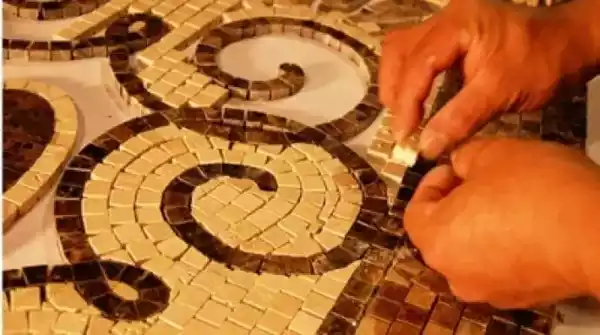
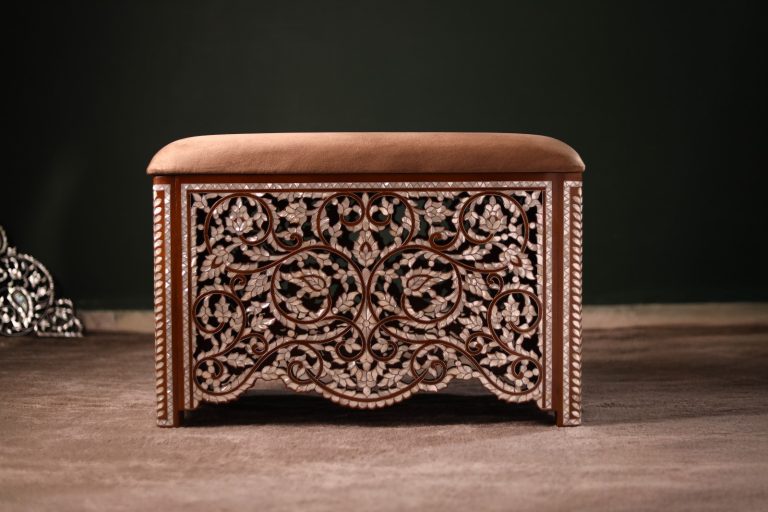
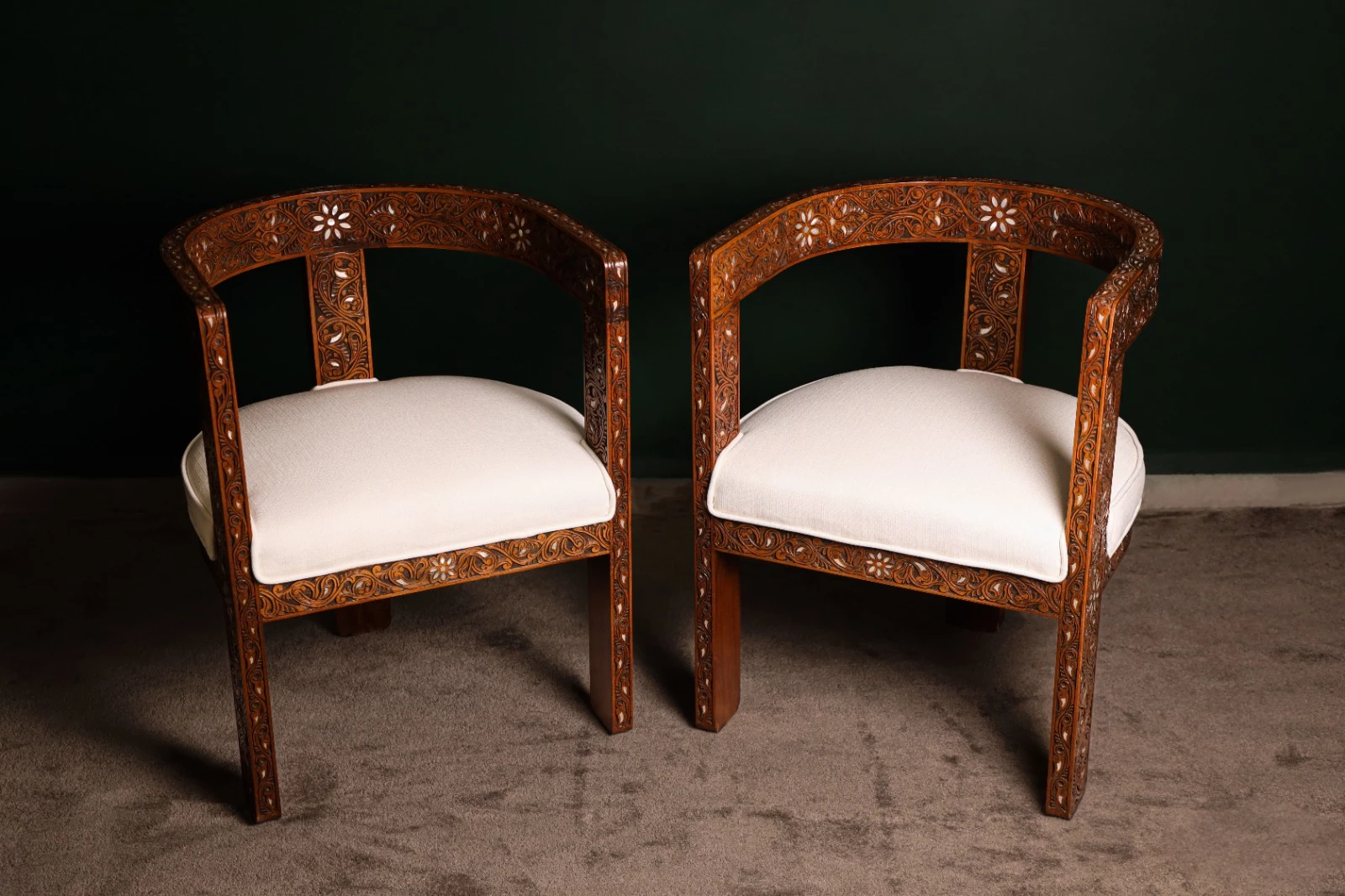
Mother-of-pearl is the luminous inner layer of certain shells, carefully cut into small pieces and fitted into wood to form stars, arabesques, floral motifs, and elaborate geometric compositions. In traditional Damascene work, artisans pair it with richly toned natural walnut or lemon wood. The contrast is part of the magic: dark, warm grain gives the pearl a dramatic stage, while the pearl gives the wood a jewel-like brilliance.
The finest tables do not rely on a printed pattern, a resin imitation, or a few decorative shell fragments. Their beauty comes from hundreds or thousands of individually placed pieces. Look closely and you should see subtle variations in the shell. That natural variation is not a flaw. It is evidence that the surface has depth, movement, and real material character.
This is why a mother-of-pearl table carries a presence that factory-made furniture rarely achieves. A printed metallic finish may photograph well, but it stays flat. Hand-inlaid pearl reflects light differently at every angle, rewarding close inspection as much as it commands attention from across the room.
The Craftsmanship Test
A luxury table should be judged by more than shine. The structure matters as much as the ornament. A well-made piece begins with stable hardwood, careful joinery, and an inlay surface that is level rather than uneven or overly raised. The edges of the shell pieces should meet cleanly, with the pattern flowing naturally across the top, sides, and sometimes the legs.
Examine how the design has been resolved at corners and borders. This is where craftsmanship becomes visible. Repeating motifs should remain balanced, and the border should frame the composition rather than feel abruptly cut off. On an exceptional table, even the smallest details show patience and precision.
There is also a meaningful distinction between handcraft and mechanical perfection. Handmade marquetry may contain minute variations in shell tone or tiny differences in individual cuts. These are not defects when the overall surface is secure, balanced, and beautifully finished. They are the human signature of an artisan-led process.
At Damasch Magic East, the appeal of these pieces rests in that connection to Damascus heritage: ornate patterns developed for homes where furniture was expected to welcome guests, carry tradition, and remain beautiful for generations. The table is useful, certainly, but it is also a statement of taste and cultural appreciation.
Where a Pearl-Inlaid Table Works Best
A mother-of-pearl table can suit far more than a traditionally decorated interior. Its success depends on allowing it enough visual space. In a formal living room, it can serve as a luminous coffee table against neutral upholstery, carved wood, velvet, or brass accents. In an entryway, a smaller side or console table turns an ordinary arrival into a memorable first impression.
It is especially compelling in interiors that blend materials and eras. Place one beside contemporary linen seating, under a clean-lined mirror, or against a plaster wall, and the inlay becomes the room’s most expressive layer. In a more classic setting, it pairs naturally with Persian-style rugs, carved screens, copper accessories, and richly colored textiles.
The main trade-off is visual intensity. A highly detailed table can compete with busy wallpaper, heavily patterned rugs, and numerous decorative objects. If your room already has many focal points, choose a smaller table, a more restrained pattern, or give the piece a calmer surrounding palette. Luxury is not always about adding more. Often, it is about allowing one exquisite object to be seen fully.
Durability and Everyday Use
The concern most buyers have is understandable: can a surface this beautiful actually be used? A properly crafted mother-of-pearl table is designed for real life, but it should be treated as fine furniture rather than an indestructible utility surface.
It performs beautifully as a side table, occasional table, foyer table, or carefully used coffee table. It can hold books, a tea tray, decorative vessels, and the small rituals of daily living. However, it is not the place for unprotected hot pans, wet glasses left for hours, sharp objects, or rough play. Shell inlay is hard, but the detailed surface and finish deserve consideration.
For households with young children or energetic pets, placement matters. A low, heavily inlaid coffee table in the busiest part of a family room may require more vigilance than a statement side table placed beside a reading chair. That does not make the piece impractical. It simply means the table should fit the rhythm of the home, not fight it.
Climate also deserves attention. Like all fine wood furniture, an inlaid table prefers a relatively stable indoor environment. Avoid prolonged direct sun, extreme humidity, and sudden temperature changes. These conditions can stress natural wood and finishes over time. A controlled living space is the best setting for preserving the table’s radiance.
Care That Protects the Luster
Care is simple when it is consistent. Dust the surface with a soft, dry microfiber cloth, using a gentle touch around detailed inlay. For an occasional deeper clean, use only a lightly damp cloth followed immediately by a dry one. Do not soak the surface or allow moisture to sit along seams and edges.
Avoid harsh sprays, abrasive cleaners, alcohol-based products, and silicone-heavy furniture polishes. These can dull the finish or leave residue that takes away from the pearl’s natural glow. A coaster beneath drinks and a felt pad under decorative objects are small habits that protect a remarkable surface.
If the table is used for entertaining, a beautiful serving tray is a thoughtful layer of protection. It also creates a pleasing visual arrangement: the table remains visible as art, while the tray handles glasses, coffee service, or small plates. This is the kind of practical luxury that makes heirloom furniture enjoyable rather than overly precious.
Is the Price Justified?
A mother-of-pearl table typically costs more than a conventional wood table because it requires more than woodwork. The price reflects natural materials, intensive hand cutting, precise placement, finishing, and the time required to complete an ornate design. Large surfaces and denser patterns demand significantly more labor than simple accents.
Whether it is worth the investment depends on what you expect furniture to do. If you need a low-cost, high-wear piece that can be replaced without concern, this is not the most sensible choice. If you want an authentic, luxurious furnishing with visible craftsmanship, cultural depth, and a collectible quality, it offers value that generic furniture cannot reproduce.
Custom dimensions and finishes can make the investment even more practical. A table made for a specific alcove, seating arrangement, hotel suite, or reception area avoids the compromise of forcing standard furniture into an unusual space. For design-driven projects, selecting the wood tone and inlay pattern can turn a beautiful object into one that belongs uniquely to its setting.
Who Should Buy One?
This table is ideal for collectors, homeowners creating a distinctive entertaining space, and gift buyers marking a wedding, anniversary, housewarming, or major family occasion. It is also a strong choice for boutique hospitality interiors, executive offices, and residences that need one unforgettable focal point instead of a room filled with ordinary décor.
Buy with intention. Consider the scale of the room, the amount of natural light, and how much visual detail your existing furnishings already carry. Ask for clear dimensions, material details, and finish information, especially when commissioning a custom design. A carefully chosen piece will feel considered from the first day, not merely impressive for a season.
The finest mother-of-pearl table does more than hold a lamp or a cup of coffee. It holds light, labor, tradition, and the quiet pleasure of living with something made by skilled hands. Give it a place where it can be used with care and admired without hurry.