Handmade Damascene Mosaic Boxes Worth Keeping
A beautiful box changes the meaning of what it holds. Handmade Damascene mosaic boxes are not simply places for jewelry, letters, watches, or treasured photographs. With their detailed woodwork, luminous mother-of-pearl, and richly patterned surfaces, they become part of the room itself: a small but breathtaking expression of Damascus heritage placed on a dresser, desk, coffee table, or entry console.
For collectors and thoughtful gift buyers, that distinction matters. A mass-produced storage box may serve a function, but an authentic Damascene mosaic box carries the visible touch of a maker. Its pattern invites a closer look, its natural materials deepen in character over time, and its presence makes even everyday rituals feel more considered.
What Makes Damascene Mosaic Boxes So Special
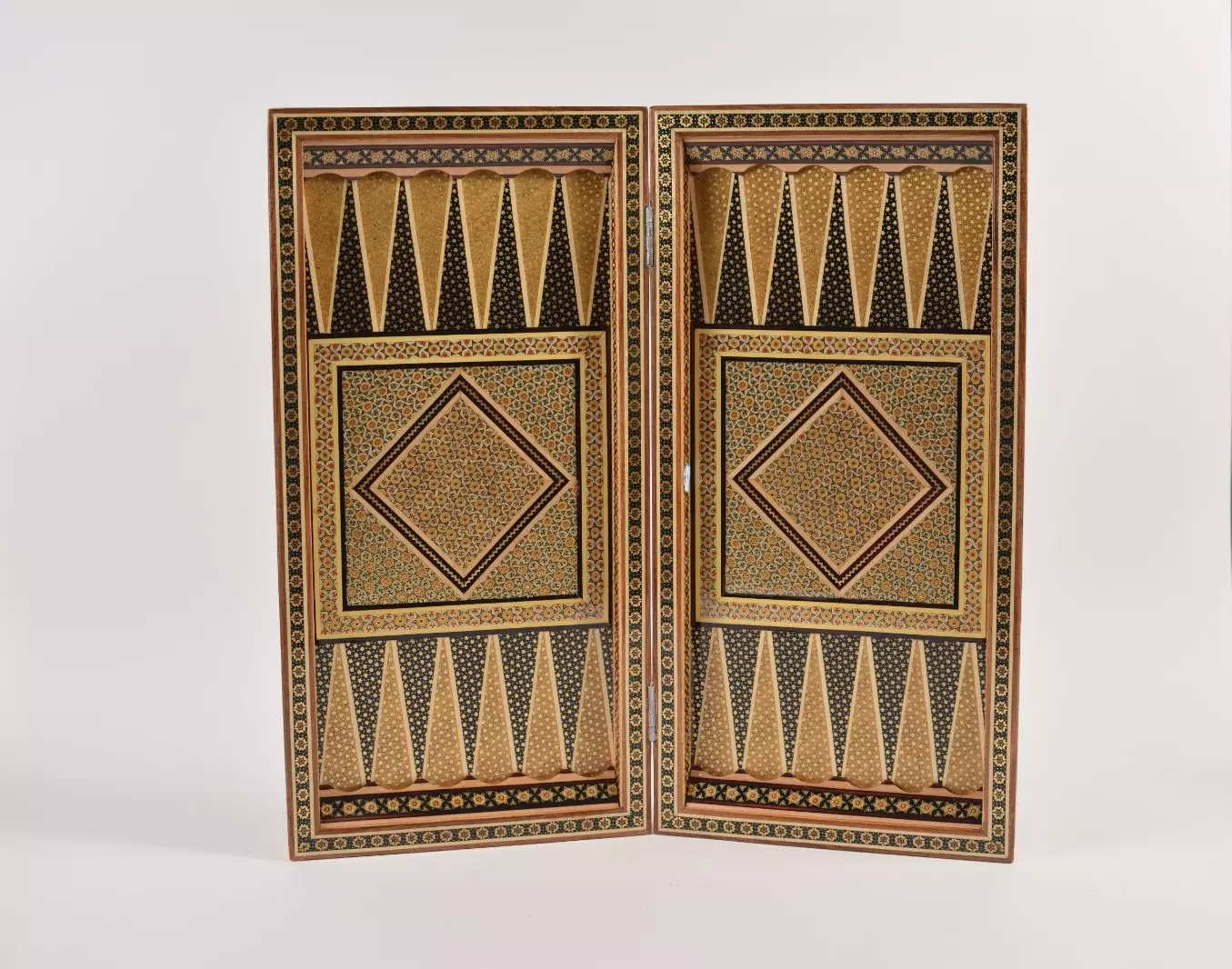
Damascene mosaic work belongs to a long decorative tradition shaped by the artistry of Damascus. Craftsmen build intricate geometric compositions from carefully prepared pieces of natural wood, often combining warm walnut with pale lemon wood for contrast. Mother-of-pearl may be added to introduce a soft, iridescent glow, while copper inlay can give selected designs a more dramatic, luxurious finish.
The beauty is in the precision. Tiny pieces must be cut, arranged, and fitted so the pattern reads as a continuous field rather than a collection of separate fragments. A star, floral motif, or repeating geometric design can appear perfectly balanced from a distance, yet reveal remarkable complexity when viewed up close.
This is why two boxes with similar dimensions can feel entirely different. The density of the pattern, the materials used, the depth of the inlay, and the finish of the wood all influence the final piece. Handmade work also carries subtle variations. They are not flaws to be hidden, but quiet evidence that the box was made by hand rather than pressed from a factory mold.
A Decorative Object With a Real Purpose
A mosaic box earns its place in a home because it combines ornament with usefulness. On a bedside table, it can keep watches, rings, or prayer beads protected and beautifully presented. In a home office, it can hold letters, business cards, small accessories, or meaningful mementos. On a living-room console, it can stand on its own as a refined decorative accent.
The right use depends on the box’s size and construction. A compact piece feels personal and makes an exquisite jewelry or keepsake box. A larger rectangular design may suit stationery, remote controls, tea accessories, or a curated collection of small objects. If the box will be opened frequently, consider where it will live and whether the lid, interior space, and proportions support that daily purpose.
For formal interiors, a pearl-inlaid box can bring light to dark wood furniture, marble tops, or richly upholstered rooms. For more contemporary spaces, the geometry of Damascene marquetry creates a striking contrast against clean lines and neutral surfaces. It does not need an elaborate setting to make an impression. One authentic handmade piece can provide the focal point a shelf or tabletop was missing.
Choosing Handmade Damascene Mosaic Boxes
When selecting a mosaic box, begin with the intended setting rather than the pattern alone. A highly ornate box with mother-of-pearl and copper may be the perfect statement for a reception room or executive desk. A warmer walnut-and-lemon-wood design may better suit a study, library, or bedroom where the natural grain can take center stage.
Look Closely at the Materials
Natural walnut brings a deep, elegant brown tone and a sense of weight. Lemon wood creates brightness and definition within the mosaic, allowing geometric lines to stand out. Mother-of-pearl offers a distinctly luxurious surface that catches changing light, while copper details add warmth and visual drama.
There is no single best combination. A buyer looking for a subtle heirloom piece may prefer wood-led marquetry with a restrained pattern. Someone furnishing a hotel suite, formal dining room, or opulent home may want the brighter contrast and celebratory detail of pearl inlay. The choice should reflect the atmosphere you want to create.
Consider Pattern Scale and Placement
A dense, fine pattern rewards close viewing and works beautifully on a desk or side table where guests can appreciate the craftsmanship. Larger geometric forms may read more clearly across a room and can suit a mantel, console, or display cabinet.
Placement also affects how much the inlay will shine. Mother-of-pearl is especially captivating near natural light or warm lamp light, while a wood-forward design can bring depth to a brighter space without overwhelming it. Avoid treating the box as an afterthought. Give it enough open surface around it for the pattern to breathe.
Ask Whether Custom Work Is Worth It
Standard dimensions are ideal when you are purchasing a gift or adding a finishing layer to an existing room. Custom work becomes especially valuable when the box must fit a particular shelf, hold a specific collection, coordinate with furniture, or meet the design language of a residence, office, or hospitality project.
A bespoke piece allows you to consider dimensions, wood tones, and pattern direction before production begins. For a meaningful commission, sketches and finish samples can help ensure that the final object belongs naturally within the larger space. This is particularly useful when matching a Damascene box with an inlaid serving tray, tissue box, organizer, chess set, or other handcrafted décor.
Why a Handmade Box Makes a Memorable Gift
The finest gifts are useful, personal, and difficult to replace. A handmade mosaic box meets all three standards. It can mark a wedding, anniversary, housewarming, graduation, retirement, or major business milestone without feeling predictable.
Unlike a gift that is quickly consumed or stored away, a Damascene box remains visible. The recipient may use it every day, then pass it on years later with its story intact. Its appeal crosses generations because it is rooted in material beauty and skilled workmanship rather than a short-lived trend.
For a couple, a larger keepsake box can hold cards, photographs, or jewelry. For a parent or grandparent, it can become a home for letters and family treasures. For a colleague or client, a refined desk box communicates appreciation with more warmth and distinction than an ordinary corporate gift.
Gift selection does require sensitivity. A highly ornate pearl design is ideal for someone who embraces maximalist, heritage-rich décor. For a recipient with a quieter aesthetic, choose a smaller box with natural wood, balanced geometry, and fewer contrasting elements. Luxury is not always about adding more detail. It is about choosing the detail that feels right.
Caring for a Piece Made to Last
Handmade wood and inlay deserve simple, consistent care. Keep the box away from prolonged direct sun, excessive humidity, and dramatic temperature changes. These conditions can affect natural wood over time and may dull the finish or stress delicate inlay.
Dust with a soft, dry cloth. If needed, use a barely damp cloth and dry the surface immediately. Avoid harsh cleaners, abrasive pads, and furniture sprays that can leave residue in fine mosaic work. It is also wise to lift the box rather than drag it across stone, glass, or wood surfaces.
With normal care, the materials develop a richer presence rather than losing their appeal. Walnut becomes more nuanced, pearl continues to catch the light, and the box gradually becomes part of the home’s own visual history.
From Damascus Heritage to Your Home
A handmade Damascene mosaic box is a small object with a generous visual voice. It speaks of patience, natural materials, geometry, and a craft tradition that values detail at every scale. Whether chosen as a luxurious gift, a collector’s piece, or a finishing touch for an elegant interior, it offers more than storage.
At Damasch Magic East, these pieces honor the heritage of Damascus while giving modern homes a practical, exquisite place for the things worth keeping. Choose one that feels personal, let its pattern catch the light, and allow it to become the object people reach for before they even ask what is inside.