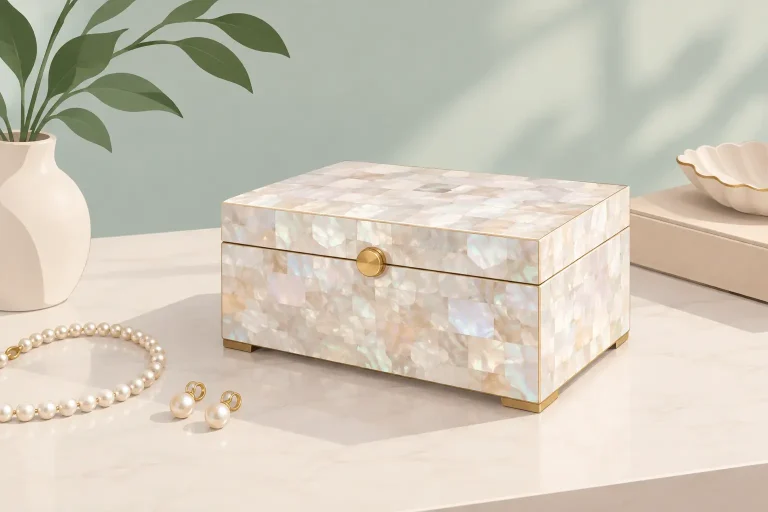
Custom Hotel Furniture Guide for Memorable Stays
A hotel guest may forget the exact shade of a lobby wall, but they remember the chair that invited them to linger, the suite cabinet that felt beautifully considered, and the reception desk that made arrival feel special. This custom hotel furniture guide is for hospitality owners, designers, and procurement teams who want furnishings to do more than fill a floor plan. The right pieces create atmosphere, support daily operations, and give a property a visual identity guests can recognize long after checkout.
For boutique hotels, destination resorts, luxury residences, and culturally inspired hospitality spaces, custom furniture offers a more meaningful alternative to generic contract collections. It allows each room, lobby, restaurant, and guest corridor to carry a unified story through proportion, material, finish, and handcrafted detail.
Start With the Guest Experience, Not the Catalog
Custom hotel furniture should begin with a simple question: how should a guest feel in this space? A serene wellness retreat needs different furniture from a lively urban boutique hotel. A property rooted in Middle Eastern heritage may call for the warmth of natural walnut, geometric marquetry, mother-of-pearl inlay, and richly detailed woodwork. A modern luxury hotel may prefer those same materials used with quieter silhouettes and restrained ornament.
The goal is not to place an elaborate statement piece in every corner. Too much decoration can make a room feel crowded, while too little leaves it without character. A memorable scheme usually combines a few breathtaking focal points with practical supporting furniture. Think of an inlaid reception counter, a magnificent lobby console, or a hand-finished suite headboard paired with simpler bedside tables and luggage benches.
Consider the entire guest journey. The arrival area should establish confidence and identity. Guest rooms should feel restful while still offering useful surfaces, organized storage, and comfortable seating. Dining spaces need furniture that can withstand constant use without sacrificing elegance. Public corridors and lounge areas need pieces that encourage pause without obstructing movement.
Define What Must Be Custom
Not every item needs to be made from scratch. Bespoke investment has the greatest impact where a hotel needs a precise fit, a distinctive visual landmark, or a material treatment unavailable in standard furniture. A custom reception desk can solve circulation and staff workflow while becoming the visual heart of the lobby. A made-to-measure wall console can turn an awkward alcove into a gracious display for flowers, art, or welcome refreshments.
In guest rooms, customization is especially valuable for headboards, wardrobes, writing desks, media consoles, bedside tables, and vanity units. These pieces often need to work around exact wall dimensions, power outlets, HVAC access, and storage requirements. A custom plan prevents the common mistake of forcing attractive furniture into a room where it leaves too little walking space or blocks essential access.
For culturally rooted properties, custom work also makes it possible to carry a signature motif across multiple areas. A geometric pearl-inlay pattern can appear on a lobby table, suite cabinet doors, dining sideboards, and decorative tissue boxes without making each piece identical. Repetition creates recognition; variation keeps the interiors alive.
Materials That Look Luxurious and Work Hard
Hotel furniture is judged under conditions that home furniture rarely faces. It is moved by staff, touched by hundreds of guests, exposed to luggage, cleaning products, sunlight, food service, and frequent use. Luxury is not only a matter of ornament. It is the confidence that a piece will continue to look exquisite after years of hospitality life.
Natural walnut is a particularly compelling choice for upscale interiors. Its deep grain and warm character bring an immediate sense of permanence, while its visual richness works beautifully with both classic and contemporary schemes. Lemon wood can add a lighter, refined contrast, especially when paired with delicate mother-of-pearl mosaic or copper inlay. These materials offer a connection to authentic Damascene craftsmanship that engineered surfaces cannot imitate.
Still, material selection must match location. A finely inlaid console may be perfect for a protected lobby wall or private suite, but a poolside bar requires moisture-tolerant construction and finishes designed for a harsher environment. Dining tables require finishes that resist staining and can be cleaned regularly. In high-contact areas, ask how edges are protected, how decorative inlay is sealed, and what maintenance routine will preserve the surface.
A skilled maker should explain these trade-offs honestly. The most ornate finish is not always the best choice for the busiest zone. Often, the strongest design combines richly handcrafted feature pieces with durable, easier-care surfaces where service demands are highest.
Specify Dimensions for Real Hotel Use
Beautiful furniture fails when it ignores operations. Before approving a design, measure not only the available wall or floor area but also the space people need to use it. A lobby table may fit on paper yet make it difficult for guests with rolling luggage to pass. A suite desk may appear generous but leave no comfortable clearance for a chair. A restaurant sideboard may look impressive while preventing servers from moving efficiently during peak service.
Ask for detailed drawings that show height, depth, drawer openings, door swings, leg placement, and cable routes. For case goods, confirm interior storage dimensions rather than judging only the exterior. A minibar cabinet, for example, needs ventilation and service access. A bedside table may need concealed power access while keeping cords out of sight. A reception desk needs space for technology, secure storage, and the staff member who uses it for an entire shift.
Ergonomics matter as much as visual scale. Seating height, armrest clearance, desk height, and counter depth influence comfort every day. Custom furniture is an opportunity to solve these details beautifully, not an excuse to overlook them.
Use Ornament With Purpose
Damascene inlay and mosaic work bring extraordinary character to hotel interiors because they carry visible evidence of human skill. Mother-of-pearl catches the light with a gentle radiance. Copper inlay introduces warmth and definition. Hand-cut geometric designs recall the architectural beauty of old Damascus homes and transform functional furniture into collectible decorative art.
The key is placement. Reserve the most intricate details for surfaces guests can approach and appreciate: the front panel of a reception desk, a lobby coffee table, a suite mirror frame, a private dining cabinet, or a grand entrance door. These are moments that reward attention and invite photographs.
For larger installations, request a pattern scale that suits the room. Fine, dense ornament can be breathtaking on a small box, tray, or tabletop, but it may become visually busy across a large wardrobe. A maker can enlarge the geometry, simplify the border, or use inlay selectively so the design retains its elegance from both near and far.
Plan the Custom Process Early
Handcrafted hotel furniture takes time because exceptional work cannot be rushed without compromise. Production schedules should account for design approval, technical drawings, finish samples, material preparation, handwork, final inspection, packing, and international delivery. Begin the conversation well before opening day, especially when furnishing multiple suites or commissioning large statement pieces.
A dependable bespoke process starts with a clear brief: room plans, quantities, target dimensions, inspiration images, desired wood tone, decorative motifs, functional needs, and installation date. From there, request sketches or renderings and finish samples before production begins. These are not formalities. They are the moment to confirm whether the wood reads warm enough, whether the inlay is balanced, and whether the dimensions feel appropriate for the space.
Keep one decision-maker responsible for approvals, even when several stakeholders are involved. Hospitality projects can lose time when interior designers, owners, operators, and purchasing teams provide conflicting feedback. Clear approval stages protect the craft, budget, and timeline.
Budget for Longevity, Not Just the Purchase Order
Custom hotel furniture may have a higher initial cost than mass-produced alternatives, particularly when it includes solid wood, hand-laid mother-of-pearl, copper detailing, and specialized finishing. Yet a lower-priced piece that needs replacement after a few seasons can become more expensive than an heirloom-quality alternative that continues to perform and impress.
Evaluate value through total life: expected durability, maintenance needs, repairability, visual distinction, and the ability to refresh the finish rather than replace the entire item. Handmade wood furniture can often be restored, refinished, or repaired by skilled craftspeople. That is a meaningful advantage over disposable pieces made from thin, synthetic materials.
It also helps to prioritize. If the budget cannot support custom work throughout the property, invest first in guest-facing landmarks and high-value suites. An exquisite lobby centerpiece, custom reception desk, and a handful of signature-room furnishings can establish the luxury standard for the entire hotel.
A Custom Hotel Furniture Guide for a Stronger Identity
The finest hospitality interiors do not feel assembled from a supplier list. They feel intentional, as though every wood grain, carved edge, and inlaid pattern belongs to the property’s story. That sense of authorship is what transforms furniture into part of the guest experience.
Damasch Magic East brings this approach from the heart of Damascus to hospitality projects seeking authentic craftsmanship, custom dimensions, and luxurious materials. With sketches, finish samples, production updates, and made-to-order options, a hotel can shape distinctive furnishings with confidence rather than compromise.
Choose one space where guests naturally pause, look closely, and take a photograph. Begin there. A single exceptional handcrafted piece can set the tone for every stay that follows.