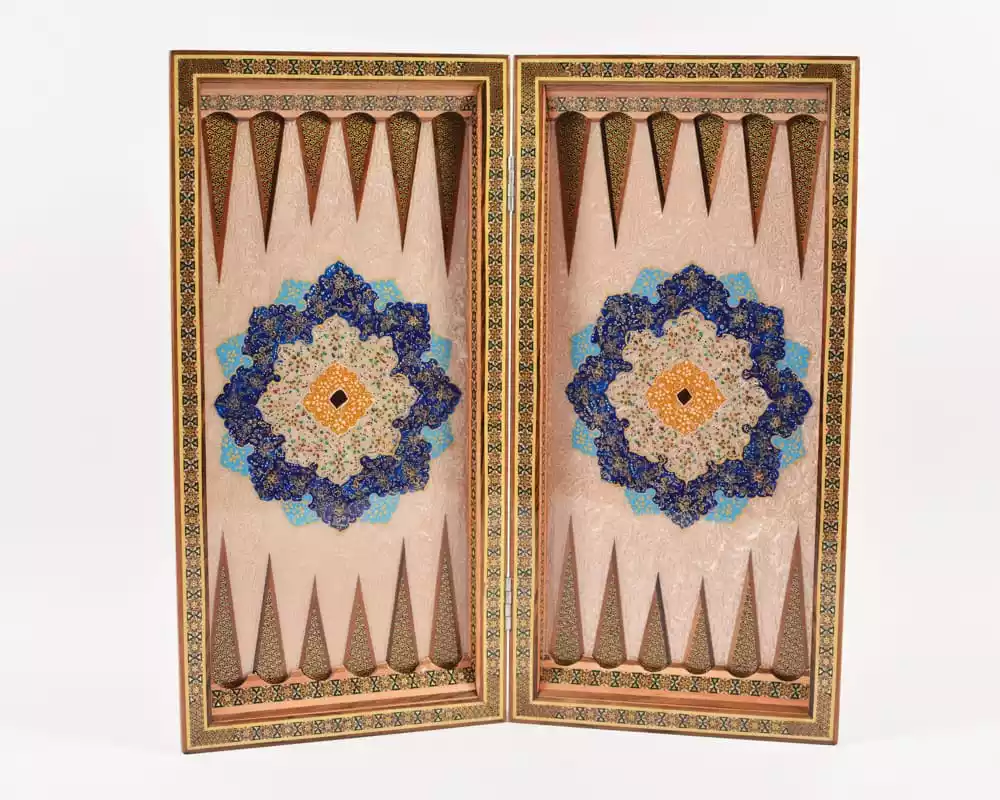
Custom Furniture for Homes With a Point of View
A room can have expensive finishes and still feel unfinished when every piece looks as though it came from the same catalog. Custom furniture changes that equation. It gives a home its own proportions, its own material story, and a focal point that cannot be repeated in every neighboring living room.
For those drawn to the warmth of natural walnut, the shimmer of mother-of-pearl, and the patient geometry of Damascene marquetry, a made-to-order piece is more than a practical purchase. It is an opportunity to bring authentic craftsmanship into the places where family gathers, guests are welcomed, and everyday rituals take place.
Why Custom Furniture Feels Different
The clearest advantage is fit. A standard console may be too deep for an entryway, a coffee table too small for a generous seating area, or a cabinet too tall beneath a window. Custom work allows dimensions to follow the architecture of the room instead of asking the room to accept a compromise.
Yet dimensions are only one part of the decision. A handcrafted side table, cabinet, chest, or coffee table can carry visual details that mass production cannot convincingly imitate: carefully selected wood grain, hand-set pearl, copper inlay, and mosaic patterns that reveal something new as the light changes. These are furnishings with presence. They do not disappear into the background.
There is also a quieter value in owning something made with intention. A distinctive piece can become the object people ask about during dinner, the heirloom passed between generations, or the detail that gives a hotel suite, office, or reception room a memorable sense of place.
Start With the Life of the Room
The best commissions begin with use, not ornament. A breathtaking inlaid table should still leave enough clearance for people to move comfortably around it. A storage cabinet should hold what you actually need to organize. A serving trolley or tray table should be stable enough for generous hospitality, not merely beautiful in photographs.
Think about who uses the piece and how often. In a formal sitting room, an ornate mother-of-pearl accent table can be treated as a precious decorative landmark. In a busy family area, a substantial walnut surface with a more restrained inlaid border may offer the right balance of luxury and everyday resilience.
Measure Beyond the Available Space
Take the full footprint of the furniture, then account for doors, drawers, chair pull-out room, walking paths, and nearby architectural details. A dining table may fit neatly on paper but feel crowded once chairs are occupied. Likewise, a console that is perfect in width can still feel imposing if its depth interrupts the natural path through an entrance.
For a statement piece, consider viewing distance as well. Fine marquetry deserves enough visual breathing room for its pattern to be appreciated. A richly detailed cabinet can anchor a wall beautifully, while the same cabinet squeezed between competing décor may lose its impact.
Choose a Role Before Choosing a Pattern
Custom furniture is most compelling when it has a clear role. It might be the conversation-starting coffee table at the center of a salon, the refined organizer in a private office, or the ornate cabinet that gives a hospitality space its signature character.
Once that role is defined, the design choices become more natural. A highly decorative piece can carry an intricate geometric field and luminous pearl accents. A larger functional item may call for ornament concentrated along the border, doors, or central medallion, allowing the natural walnut to remain visible and calm.
Materials That Reward a Closer Look
Walnut has long been valued for its deep, expressive grain and natural richness. It brings weight and warmth to a room, especially when paired with ivory-toned mother-of-pearl or gleaming copper details. Lemon wood offers a lighter, golden character that can lift a darker palette and emphasize the precision of an inlaid pattern.
These materials are not interchangeable. A darker wood tends to heighten contrast and drama, making pearl inlay appear especially luminous. Lighter woods can create an airier, more sunlit expression. The right choice depends on the surrounding interior, natural light, and whether the piece should harmonize with existing furnishings or command immediate attention.
Mother-of-pearl adds its own dimension. Its surface does not present one flat color. It catches light with a soft, changing radiance that makes a pattern feel alive. In a carefully made Damascene piece, pearl is not simply decoration applied at the end. It is part of a larger composition, joined with wood, mosaic work, and geometric discipline.
The Character of Damascene Custom Furniture
Damascus craftsmanship has always understood that utility and beauty can belong together. A box can organize treasured possessions while displaying intricate mosaic work. A tray can serve coffee and sweets with ceremony. A table can support the rhythms of daily life while carrying the visual language of an old Damascene home.
That heritage makes custom furniture especially meaningful for buyers who want more than a fashionable silhouette. The distinctive geometry, handworked inlay, and natural materials connect a piece to a tradition of patient skill. No two sections of wood grain are identical, and hand-set decorative work retains the subtle human variation that gives artisan furniture its soul.
For a home with contemporary architecture, this tradition does not require a fully traditional interior. A single inlaid walnut console can transform a clean-lined hallway. A mother-of-pearl side table can soften a modern bedroom. In a more layered setting, coordinated furniture, trays, decorative boxes, and tabletop accessories can create a rich, collected atmosphere without feeling random.
What a Thoughtful Commission Process Should Include
A bespoke order should feel exciting, not uncertain. Before production begins, share room photographs, key measurements, and a clear sense of how the piece will be used. Reference images are useful, but they should guide the process rather than force a direct copy. The most successful result responds to your space, taste, and practical needs.
At Damasch Magic East, custom commissions can be developed through sketches, dimensions, pattern preferences, wood tones, and finish samples. This gives buyers the opportunity to see the direction before the workshop commits to the final construction. Production updates and a clear timeline also matter, particularly for clients coordinating a renovation, furnishing a new residence, or preparing a hospitality project.
Be candid about your priorities. If maximum storage is essential, say so early. If the piece must match a particular rug, wall color, or existing dining set, provide those details. If you want the most intricate possible mother-of-pearl work, understand that greater hand detail may affect production time and budget. These are not drawbacks. They are the real choices behind furniture made specifically for you.
When to Go Bold and When to Hold Back
An elaborate custom piece deserves to be seen. If the room has restrained walls, simple upholstery, and open space, a large inlaid cabinet or coffee table can become a breathtaking centerpiece. Its pattern will provide the movement, color, and cultural depth the room needs.
In a space already filled with patterned textiles, carved architectural elements, or strong artwork, a quieter approach may be more elegant. Choose a warm wood tone with a refined border, a centered medallion, or pearl details placed selectively. Luxury is not always about adding more. Often, it is about knowing exactly where the eye should rest.
For commercial interiors, the same principle applies. Hotels and offices benefit from memorable craftsmanship at points of arrival and gathering: reception areas, executive offices, lounges, suites, and private meeting rooms. The furniture should reinforce the atmosphere of the space while remaining suited to its traffic and purpose.
A custom piece earns its place over time. Choose the size that lets the room breathe, the materials that invite a closer look, and the pattern that still feels personal after the first moment of admiration. The result can be far more than furniture: a functional work of Damascus heritage made to live beautifully with you.