How to Preserve Walnut Finishes for Lasting Beauty
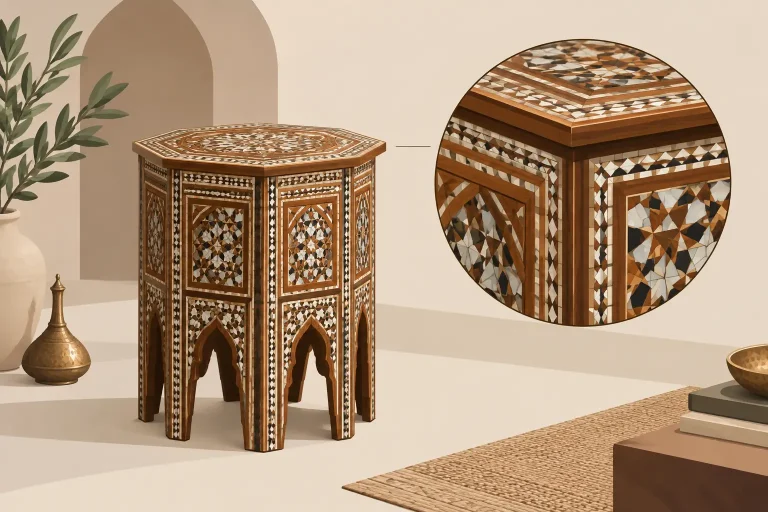
Walnut is prized for the very qualities that make careless cleaning so visible: its deep grain, warm brown undertones, and natural movement from chocolate shadow to honeyed light. Knowing how to preserve walnut finishes means protecting more than a surface. It means keeping the material’s character intact, whether it appears in a grand inlaid cabinet, a serving tray, a mosaic box, or a handcrafted chess table made to be admired for generations.
A well-finished walnut piece does not need constant treatment. It needs thoughtful daily habits, gentle cleaning, and an understanding of what its finish is designed to do. The goal is not to make handmade wood look factory-new. It is to maintain its rich, luminous presence while allowing its authentic craftsmanship to remain visible.
How to Preserve Walnut Finishes Without Dulling Them
The first rule is simple: remove dust before it becomes abrasion. Fine dust may look harmless, but when it is rubbed across a glossy or satin finish, it can create a haze of tiny scratches over time. Use a clean, soft microfiber cloth or a very soft cotton cloth, moving with the direction of the grain. Avoid paper towels, rough kitchen cloths, and dry scrubbing, especially on darker walnut where marks show more readily.
For regular care, dry dusting is usually enough. If a fingerprint, food spot, or light grime needs attention, dampen the cloth slightly with clean water, wring it out thoroughly, and wipe the area gently. Follow immediately with a separate dry cloth. Walnut should never be left wet, even when the wood is protected by lacquer, varnish, oil, or wax.
The temptation to use a strongly scented furniture spray is understandable, particularly before guests arrive. Yet many commercial polishes leave behind silicone, oil, or waxy residues. At first, the surface may look shinier. Over repeated use, it can attract dust, create streaks, and complicate future refinishing or restoration. A restrained approach preserves the finish more beautifully than a product-heavy one.
Know What Kind of Finish You Are Caring For
“Walnut finish” can describe several different protective systems, and the right care depends on which one is present. A sealed lacquer or polyurethane finish creates a protective film on top of the wood. It is relatively easy to wipe clean, but it can scratch, cloud from moisture, or soften under harsh solvents.
An oil finish penetrates more deeply and gives walnut a tactile, natural appearance. It is often favored for pieces where the grain is meant to feel especially alive. Oil-finished walnut can be renewed, but it generally needs more attentive care and should be protected from standing water, frequent handling with oily hands, and aggressive cleaners.
Wax may be used alone or as a final layer over another finish. It can provide a soft glow, but it is not a substitute for a durable protective coating. Excessive waxing is a common mistake. Too much wax can build up in carved details, along marquetry lines, and around mother-of-pearl inlay, leaving an uneven, dusty-looking film rather than a luxurious sheen.
If you are unsure what finish a treasured piece has, do not experiment in a visible area. Begin with dry dusting and a barely damp cloth only. For a vintage, custom, or especially valuable work of craftsmanship, ask the maker or a qualified furniture conservator before applying oil, wax, polish, or repair products.
Protect Walnut From Its Three Greatest Enemies
Sunlight and Heat
Walnut naturally changes color over time. Depending on the cut of the wood and the finish, prolonged sunlight can lighten some areas and deepen others. A dramatic sunbeam across one corner of a tabletop may eventually leave uneven color that no amount of polishing can correct.
Place walnut furnishings away from direct, sustained sunlight where possible. Curtains, UV-filtering window treatments, and thoughtful furniture placement make a real difference. Rotate decorative objects, runners, and lamps occasionally so that one section of the wood does not age differently from the rest.
Heat is equally unforgiving. A hot tea pot, serving dish, candle jar, or takeout container can leave cloudy white rings on a film finish or damage the finish permanently. Use felt-backed trivets, coasters, and heat-resistant mats. For a walnut serving tray, place a protective liner beneath very hot cookware rather than relying on the tray finish alone.
Moisture and Humidity
Water rings are only part of the concern. Wood expands and contracts as humidity rises and falls. In a finely made piece with mother-of-pearl, copper, or intricate geometric marquetry, sharp environmental swings may stress the joins between materials.
Wipe spills promptly with a soft absorbent cloth, then dry the surface completely. Do not place walnut directly beside radiators, fireplaces, heating vents, or constantly running humidifiers. In homes with seasonal climate changes, a reasonably stable indoor environment is one of the most valuable forms of preservation.
Chemicals and Friction
Alcohol, acetone, ammonia, bleach, and abrasive cleaners can damage or strip many finishes. This includes nail-polish remover, some glass cleaners, sanitizing sprays, and strong degreasers. Even a cleaner marketed as “natural” can be unsuitable if it contains acids or heavy oils.
Be mindful of friction as well. Ceramic bases, metal décor, rough-bottomed vases, and laptop feet can scratch a finish surprisingly quickly. Felt pads beneath decorative objects are discreet protection. On desks and side tables, use a leather blotter or textile runner when the piece will see frequent use.
Caring for Inlaid Walnut and Marquetry
Walnut furniture enriched with mother-of-pearl, copper, lemon wood, or mosaic inlay deserves a more delicate touch than plain wood surfaces. These materials do not always respond to moisture, temperature, or polish in the same way. Cleaning solutions can settle along fine seams, while vigorous rubbing can catch a cloth on raised or delicate details.
Use a dry, soft brush with very gentle bristles to lift dust from crevices, followed by a microfiber cloth. For stubborn soil, work slowly with a barely damp cloth and keep moisture away from joints and edges. Never soak an inlaid surface or spray cleaner directly onto it.
A little irregularity in handmade marquetry is not a defect to be scrubbed away. It is evidence of hand-cut wood, individually placed inlay, and the living character of natural materials. Preservation should honor that artistry rather than flatten it into a uniform, overly polished surface.
When to Oil, Wax, or Call a Professional
Maintenance products should be used only when the piece shows a genuine need. Oil-finished walnut may benefit from renewal when it appears dry, uneven, or less responsive to gentle cleaning. Use the finish recommended by the maker, apply a very small amount with a lint-free cloth, and buff away all excess. More oil does not create more protection. It can leave a tacky surface that collects dust.
Wax is best reserved for compatible finishes and occasional use. Apply it thinly, let it haze according to the product directions, then buff softly. Test first in a hidden area, especially on antiques or inlaid surfaces. If the finish has a cracked, cloudy, peeling, sticky, or heavily scratched appearance, stop before adding another layer of product. Those symptoms may require professional evaluation, not a quick cosmetic fix.
For heirloom-quality Damascene furnishings, restraint is a form of care. Damasch Magic East pieces are designed to bring the warmth of walnut and the splendor of traditional inlay into everyday interiors, but everyday use should still be graceful: coasters under glasses, mats under serving pieces, and gentle hands during cleaning.
Small Habits That Keep Walnut Beautiful
The best preservation routine is quiet and consistent. Dust lightly once a week or as needed, clean spills as soon as they happen, and inspect surfaces a few times each year for dryness, loose felt pads, or changes around inlay. Before holiday entertaining or a special gathering, clean the piece gently rather than reaching for a heavy polish.
Walnut rewards this patience. Its color gains depth, its grain remains expressive, and its handmade details continue to catch the eye in changing light. Care for it with the same intention that went into making it, and the finish will remain a beautiful part of the story your home tells.