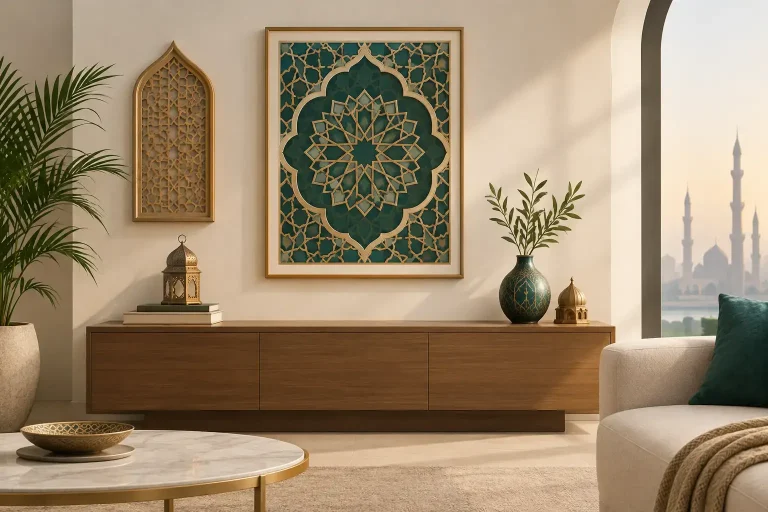
Arabic Furniture That Brings Craft Into Focus
A room can have beautiful walls, generous light, and expensive finishes yet still feel anonymous. Arabic furniture changes that feeling through visible handwork: warm walnut grain, precisely cut mother-of-pearl, geometric mosaic, and patterns that reward a closer look. It is furniture with presence, created not simply to fill a corner but to make the room feel considered, personal, and richly lived in.
For collectors, homeowners, and designers, the appeal goes beyond ornament. A finely made inlaid table, chair, chest, or mirror carries a design language shaped over generations. It can stand as a breathtaking focal point in a contemporary interior, add depth to a traditional residence, or give a hospitality space the kind of detail guests remember.
What Defines Authentic Arabic Furniture?
Arabic furniture is not one fixed look. It reflects a broad visual heritage across the Arab world, where local materials, regional motifs, and generations of workshops have shaped distinct traditions. The most admired pieces balance decorative beauty with useful form. A side table must still hold a lamp, a serving tray must still be easy to carry, and a cabinet must still organize the things a home needs close at hand.
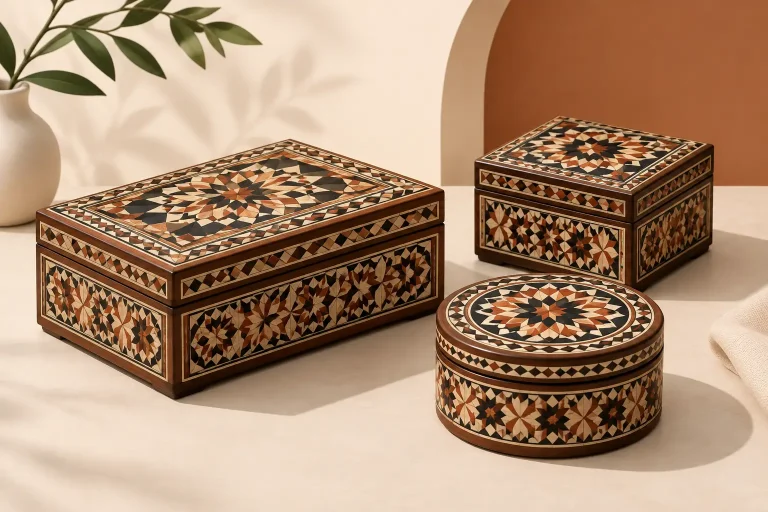
Damascene furniture is especially recognized for marquetry and inlay. Skilled artisans arrange tiny pieces of natural wood, mother-of-pearl, bone, and sometimes copper into stars, polygons, floral motifs, and repeating geometric fields. The finest work feels integrated rather than applied. Every small element sits neatly within the surface, allowing the pattern to catch the light without interrupting the furniture’s structure.
Natural walnut and lemon wood are central to this character. Walnut brings a deep, elegant color and expressive grain, while lemon wood offers contrast in intricate mosaic compositions. When paired with luminous pearl inlay, these materials create a luxurious surface that feels both ornamental and grounded in nature.
The Difference Between Ornament and Craft
A printed pattern can imitate the appearance of inlay from across a room. Handmade marquetry holds up under closer attention. You see the slight variation of natural materials, the care in the joins, and the rhythm of a pattern built piece by piece. Those details explain why genuine artisan furniture has collectible value and why no two handmade pieces appear perfectly identical.
This individuality is part of the appeal, not a flaw. Small differences in shell shimmer, wood tone, or hand-cut mosaic reflect the human work behind the piece. Buyers looking for factory-perfect repetition may prefer a mass-produced alternative. Those who value authenticity often find that these subtle variations are exactly what make a piece feel alive.
Choosing Arabic Furniture for Your Space
The right piece depends on how you want the room to feel and how the furniture will be used. A large mother-of-pearl inlaid dining table can command an expansive dining room, while a compact mosaic side table can bring the same heritage detail to an apartment, reading nook, or bedroom. Scale matters as much as decoration.
Begin with the existing visual weight of the room. In a clean-lined, neutral interior, one ornate Arabic furniture piece can create a striking contrast without making the space feel busy. Place an inlaid console beneath a simple mirror, add a pearl-accented side table beside a linen sofa, or let a handcrafted water fountain become the center of an entryway. The surrounding restraint gives the craftsmanship room to speak.
In a more layered interior, coordinate materials rather than trying to match every pattern. For example, a walnut mosaic coffee table can sit comfortably with brass lighting, woven textiles, ivory upholstery, and hand-thrown ceramics. Repeating the same wood tone in a picture frame or tray helps the room feel intentional, while varied patterns prevent it from becoming overly formal.
For entertaining, functional decorative objects can be an elegant starting point. A generous serving tray, tissue box, organizer, or tea table adds heritage detail to everyday rituals without requiring a complete redesign. These pieces also make thoughtful gifts for weddings, housewarmings, anniversaries, and anyone who appreciates objects with a story.
Where Statement Pieces Work Best
Entryways, living rooms, dining areas, and offices are natural homes for richly inlaid furniture because these are places where people pause and notice detail. A chess or backgammon set displayed on a coffee table invites conversation as well as play. A substantial cabinet or chest can anchor a wall that would otherwise feel empty.
Bedrooms benefit from a gentler approach. A small nightstand, jewelry box, or framed Islamic art can add warmth without overwhelming a restful space. In hotels and hospitality settings, an inlaid reception table, decorative mirror, or fountain can establish a memorable sense of place from the first moment of arrival.
Why Custom Arabic Furniture Is Worth Considering
Standard dimensions are not always right for a particular room. A narrow foyer may need a console made to an exact width. A hotel lounge may require matching tables at a specific height. A family may want a large dining piece designed around the seating they already own. Custom furniture makes those choices possible while preserving the character of traditional craft.
The process should feel clear from the start. Before production, request sketches that show the proportions and proposed pattern placement. Discuss wood tone, inlay materials, finish preferences, and the intended use of the piece. Finish samples can be especially helpful when furniture must coordinate with existing floors, cabinetry, or upholstery.
Customization does involve trade-offs. A more complex geometric design requires more artisan hours, and made-to-order furniture takes longer than selecting an item ready for immediate dispatch. Yet for a significant statement piece, the additional time can be worthwhile. You receive furniture designed for your home rather than furniture that asks your home to adapt around it.
Damasch Magic East brings this direct workshop approach to custom commissions, with design sketches, finish guidance, and production updates that make a major purchase feel more personal and reassuring.
Caring for Mother-of-Pearl and Inlaid Wood
Fine Arabic furniture is made to be enjoyed, but it deserves thoughtful care. Keep wood and inlay away from prolonged direct sunlight, strong heat sources, and dramatic shifts in humidity. These conditions can dry natural wood or affect delicate joins over time.
For routine cleaning, use a soft, dry microfiber cloth to remove dust. If a surface needs additional attention, use a barely damp cloth and dry it immediately. Avoid abrasive sponges, harsh chemical cleaners, and furniture sprays that can leave buildup around inlay. A coaster beneath drinks and a felt pad beneath decorative objects offer simple protection for tabletops.
Mother-of-pearl has a natural iridescence that needs no aggressive polishing. Gentle care preserves its luminous finish far better than frequent treatments. If a treasured antique or heavily used piece develops loose inlay, consult a qualified furniture conservator or artisan familiar with marquetry instead of attempting a household repair.
Building a Collection With Intention
A home does not need many ornate pieces to feel richly furnished. One exceptional item often has more impact than a room full of competing decoration. Start with the object you will use and see most often: perhaps a coffee table that gathers family and guests, a tray for weekend hospitality, or a backgammon board that becomes part of the evening ritual.
Then allow the collection to grow naturally. A walnut inlaid mirror can echo the tone of a side table. A mosaic box can repeat a pattern found in a larger cabinet. This gradual approach leaves space for each piece to remain unique while creating a home that feels connected rather than staged.
The most rewarding Arabic furniture does more than decorate a room. It gives daily life a place to land: coffee served from an exquisite tray, letters organized in a handcrafted box, friends gathered around a game, or a quiet corner made beautiful by the gleam of pearl against walnut. Choose the piece that belongs in your life, and let its craftsmanship do the rest.