Are Inlay Tables Durable? What Lasts for Decades
A finely inlaid table can hold a room the way a piece of art does: catching the light, drawing guests closer, and revealing a new detail every time it is seen. But unlike wall art, a table must live with real life – coffee cups, serving trays, books, family gatherings, and the occasional hurried hand. So, are inlay tables durable? A well-made inlay table can last for decades, even generations, but its longevity depends on the materials beneath the ornament and the care it receives.
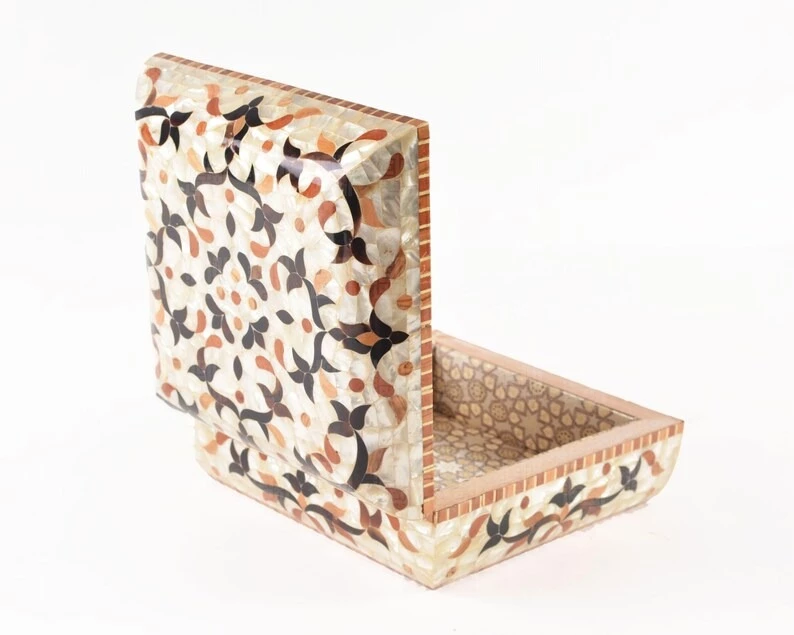
At its best, Damascene inlay is not a fragile decoration applied to an ordinary surface. It is a patient union of natural wood, hand-cut mother-of-pearl, copper, bone, or finely arranged mosaic pieces. The result is luxurious and highly functional, provided the table is chosen for the right setting and treated as the handcrafted furnishing it is.
Are inlay tables durable in everyday homes?
Yes, when the table is built on a stable hardwood structure and finished properly. Walnut and lemon wood, two materials closely associated with traditional Damascene furniture, offer far more strength and character than lightweight composite furniture. A solid, carefully joined base resists normal movement, carries weight well, and gives the inlay a dependable foundation.
The inlay itself is often more resilient than buyers expect. Mother-of-pearl is a natural material with a hard, luminous surface, while copper accents hold their form beautifully inside a well-cut design. Because each piece is set into the wood rather than merely printed or painted on top, authentic handcrafted work has real depth. The pattern will not simply rub away with routine use.
Still, durability does not mean indestructibility. An elaborate mother-of-pearl coffee table should not be treated like a workshop bench or an outdoor patio table. A dropped cast-iron object, standing water, direct heat, or repeated impacts on an edge can damage almost any fine furniture, including a luxury inlay piece.
What makes one inlay table last longer than another?
Construction matters more than ornament alone. A breathtaking pattern can be visually impressive, yet a table will only perform well if the maker has respected the wood beneath it. Look for a substantial tabletop, stable legs or a solid pedestal, clean joinery, and inlay that sits flush with the surface. Loose, raised, or uneven pieces can signal weak adhesion or rushed workmanship.
The quality of the wood also shapes the table’s future. Natural hardwood expands and contracts subtly as seasons and indoor humidity change. Skilled artisans account for this movement when preparing the wood, cutting the inlay, and applying the finish. This is one reason handmade furniture has such value: the maker understands that wood is alive with grain, variation, and movement.
Finishing is equally significant. A quality protective finish helps shield the surface from fingerprints, mild spills, and daily dust without hiding the natural glow of the pearl or the richness of the wood. It should enhance the design rather than leave the table looking thickly coated in plastic.
Authentic craftsmanship also allows for small variations. A hand-inlaid table may show subtle differences in shell tone, grain direction, or the placement of tiny mosaic elements. These are not faults. They are visible evidence that the piece was made by hand rather than produced by a machine line.
The use of the table changes the answer
A side table in a formal sitting room may remain pristine for many years with minimal care. A dining table, on the other hand, faces heat, sauces, drink condensation, sliding plates, and constant movement. Both can be durable, but the dining table needs more thoughtful protection.
For a frequently used surface, consider placing a clear protective top, a fitted piece of glass, or elegant placemats over the most active areas. This preserves the intricate design while still allowing it to be admired. For a statement table in an entryway, majlis, office reception area, or hotel suite, the original surface can often be enjoyed more openly because the use is lighter.
The real enemies of mother-of-pearl and wood inlay
Water is usually a greater concern than ordinary dust. Do not leave a wet glass, vase, or serving dish directly on the table for long periods. Condensation can work its way into the finish and, over time, affect wood or adhesive. Coasters and trivets are simple protections that make a meaningful difference.
Heat deserves the same respect. Place hot tea kettles, baking dishes, and candles on heat-safe mats rather than directly on the inlay. Sudden or prolonged heat can stress a finish and may dull the surface’s luster.
Sunlight is another quiet factor. Natural wood can deepen or shift in color over time, and intense direct sun may fade certain finishes. If the table sits near large windows, use curtains, shades, or thoughtful placement to limit harsh afternoon exposure. Gentle natural light is beautiful on mother-of-pearl. Constant blazing sunlight is not.
Finally, avoid harsh household cleaners. Abrasive powders, alcohol-heavy sprays, bleach, and rough scrubbing pads can cloud a finish or scratch the delicate visual surface. A soft, dry microfiber cloth is enough for routine dusting. For a small spill, wipe it promptly with a barely damp cloth, then dry the area immediately. Use furniture care products only when they are appropriate for finished natural wood and only after testing a discreet spot.
A practical care routine for an heirloom table
The best routine is uncomplicated: dust softly, clean spills quickly, and protect the table from heat and moisture. There is no need to polish an inlay table every week. Over-polishing can leave residue inside the fine lines of a geometric pattern and gradually mute its crisp detail.
Pay attention to the room as well as the furniture. Extreme dryness can encourage wood to contract, while excessive humidity can make it expand. Most well-maintained homes provide a suitable environment, but a table should not be stored in a damp basement, placed beside a radiator, or kept in an unconditioned sunroom through severe seasonal changes.
If a small piece of inlay ever loosens, do not attempt a quick repair with household glue. The wrong adhesive can stain mother-of-pearl, seep into surrounding grain, or make professional restoration more difficult. A skilled furniture restorer or the original maker can assess the piece and use materials suited to its construction.
Why handmade inlay can be an heirloom purchase
There is a difference between furniture that survives and furniture that becomes more meaningful with age. A handmade inlay table develops a relationship with its home. The walnut may grow warmer in tone, the pearl may continue to catch light differently through the day, and the pattern becomes part of the memories made around it.
This is why a genuine piece is often more durable in the fullest sense than a mass-produced alternative. It is made from repairable materials, with visible craftsmanship worth preserving. Solid wood can be refreshed. A damaged section of inlay can often be restored by a specialist. A table with authentic structure and artistry has a future beyond a single decorating trend.
For clients furnishing a residence, boutique hotel, office, or formal entertaining space, custom dimensions can also support durability. A table that fits the room and its intended use is less likely to be overloaded, bumped through narrow pathways, or placed where sunlight and moisture are unavoidable. Damasch Magic East can create bespoke pieces with chosen patterns, wood tones, and dimensions, allowing the table to serve the space as beautifully as it adorns it.
The right inlay table should feel special every time you see it, not too precious to enjoy. Choose solid materials, honor the handwork, and give it the modest care fine wood furniture deserves. Then let it do what it was made to do: bring the radiance of Damascus craftsmanship into daily life, one gathering and one beautiful detail at a time.