Luxury Heritage Decor Trends for Statement Homes
A home can be beautifully furnished and still feel anonymous. The most compelling luxury heritage decor trends answer that problem with objects that carry a visible human hand: a mother-of-pearl table that catches candlelight, a walnut tray set out for guests, or an intricate chess board that remains a conversation piece even between games. These are not background accessories. They give a room a point of view.
For collectors, homeowners, and designers, heritage décor is moving beyond the idea of a single souvenir or themed corner. The direction is more considered: authentic craftsmanship placed confidently within refined, livable interiors. Damascus marquetry, Islamic geometric art, richly grained woods, and hand-inlaid details are being chosen for their beauty, certainly, but also because they offer something mass-produced décor cannot – history, irregularity, and lasting presence.
What Defines Luxury Heritage Décor?
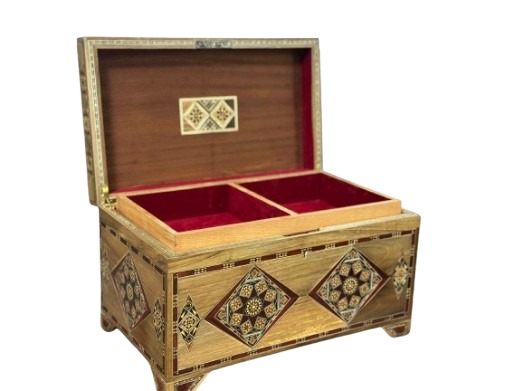
Luxury heritage décor is not simply old-fashioned decoration, nor does it require an entire room to follow one historical style. It brings cultural design traditions, time-honored materials, and skilled handwork into spaces designed for modern life. A handcrafted mosaic box on a clean-lined console, for example, can feel as current as it is historic.
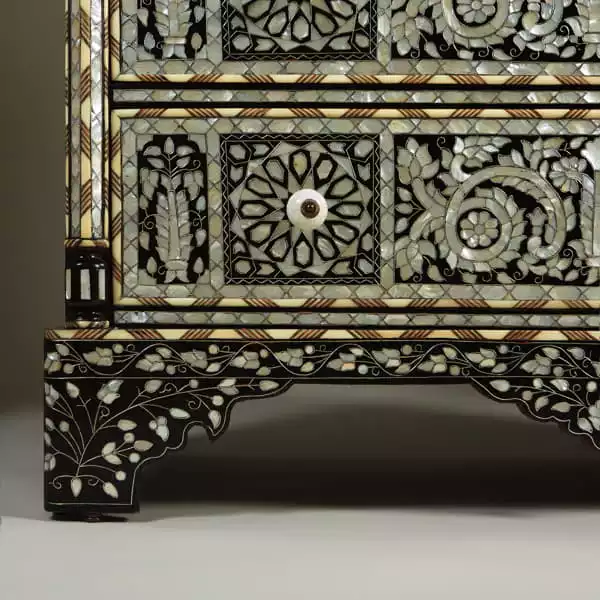
Authenticity is the difference. True Damascene-inspired furnishings are defined by complex wooden marquetry, mother-of-pearl inlay, natural walnut or lemon wood, and geometric patterns built piece by piece. The small variations in grain, shell, and placement are not flaws to be corrected. They are evidence that each piece has been made rather than reproduced.
This approach also suits a more discerning definition of luxury. Instead of filling a room with expensive but interchangeable items, buyers are investing in fewer objects with a strong origin story, practical function, and collectible decorative value.
Luxury Heritage Decor Trends Shaping Refined Interiors
Statement inlay becomes the room’s focal point
The quiet neutral room has not disappeared, but it is increasingly being anchored by one breathtaking object. A mother-of-pearl inlaid coffee table, a detailed side table, or a grand backgammon set can provide the visual center that smooth stone, plain upholstery, and pale walls often need.
The key is scale and restraint. One exceptional inlaid furnishing can make a stronger impression than several smaller decorative pieces competing for attention. In a formal living room, place it where its craftsmanship can be appreciated from more than one angle. In a hotel lounge or executive office, a substantial inlaid table can create an immediate sense of arrival.
Warm woods soften polished contemporary spaces
Walnut, lemon wood, and deep natural finishes are gaining ground against interiors that feel overly cold or sterile. Their warmth works especially well with contemporary materials such as glass, plaster, marble, brushed brass, and tailored linen.
A richly toned serving tray or organizer box adds depth without demanding a full redesign. Larger wood furnishings bring an even greater sense of permanence. The best choice depends on the room’s existing palette: darker walnut creates dramatic contrast against ivory and sand tones, while lighter wood finishes may suit rooms with already saturated walls or ornate textiles.
Mother-of-pearl is used as light, not just ornament
Mother-of-pearl has a remarkable quality under changing light. During the day it can appear soft and silvery; by evening, it reflects warm gold from lamps and candles. That makes it especially valuable in rooms designed for entertaining, from formal dining spaces to intimate sitting rooms.
This trend is less about covering every surface in shine and more about using luminous detail with intention. An inlaid tissue box, tabletop organizer, jewelry box, or serving tray can elevate a practical ritual while introducing a touch of opulence. Pair pearlescent inlay with matte materials such as hand-thrown ceramics, natural stone, or woven fabric so the shell remains the visual jewel.
Entertaining pieces are becoming display pieces
The objects brought out for guests are no longer being hidden in cabinets until needed. Exquisite trays, tea and coffee accessories, serving pieces, and decorative boxes are increasingly left on view as part of the room’s composition.
This is a natural fit for homes where entertaining matters. A handmade tray on an ottoman can hold coffee-table books, dates, and small floral arrangements between gatherings, then become a gracious serving piece when friends arrive. The same principle applies to tabletop boxes that organize remotes, napkins, or keepsakes while making the surface feel intentionally dressed.
Function matters here. A tray should be sturdy enough to carry, a box should open and close beautifully, and a tabletop piece should withstand regular use. Luxury is more convincing when craftsmanship improves daily life rather than asking to be protected from it.
Heritage games return as collectible furnishings
Chess and backgammon sets are becoming a refined alternative to purely decorative coffee-table objects. When crafted with intricate wood mosaic and pearl inlay, they invite both play and admiration. They also bring a welcome sense of ritual to a room shaped by screens and quick distractions.
For a library, den, office, or hospitality suite, an artisanal game set creates an elegant pause. It is particularly well suited to gifting for weddings, anniversaries, housewarmings, and executive occasions because it combines a lasting keepsake with an experience to share. Choose a design with enough visual distinction to remain displayed, not stored away after the first match.
Cultural art is styled with confidence, not as an afterthought
Islamic art, calligraphy, geometric pattern, and architectural motifs are appearing in interiors as central expressions of identity and taste. The strongest rooms avoid treating cultural pieces as isolated accents. Instead, they allow the artwork, furniture, and smaller objects to speak to each other through repeated tones, materials, or shapes.
A geometric inlay pattern may echo the lines of framed Islamic art. Copper accents in a mosaic box can relate to a lantern or lighting fixture. The result feels collected rather than coordinated in a showroom sense. It also makes room for meaningful pieces from different places and generations, provided they are joined by a thoughtful color story or material connection.
How to Bring Heritage Pieces Into a Modern Home
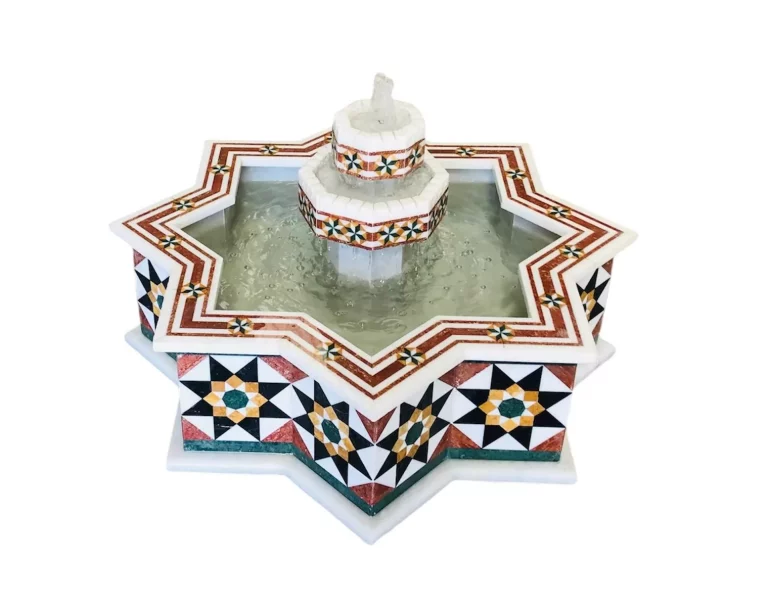
Begin with the room’s purpose. In an entryway, an inlaid console accessory or elegant organizer creates an immediate impression without overcrowding the space. In a dining room, a serving tray or centerpiece box can make entertaining feel more ceremonial. In a living room, a substantial table, fountain, or decorative game set can establish the atmosphere of the entire room.
Then consider contrast. Heritage craftsmanship is often most powerful when placed beside simpler forms. A highly detailed mother-of-pearl furnishing needs visual breathing room around it. Avoid matching every pattern, wood tone, and metallic finish too precisely. The goal is a layered interior that feels collected over time, not a stage set.
Customization is worth considering for statement furniture and commercial projects. Dimensions, wood tone, pattern scale, and finish can determine whether a piece feels perfectly placed or merely impressive on its own. For residences, offices, and hotels with specific requirements, bespoke sketches and finish samples offer reassurance before a significant investment is made. Damasch Magic East brings this made-to-order approach to pieces rooted in the enduring craft traditions of Damascus.
Finally, allow the object to be used. Place the tray on the table, set the game board within reach, and keep the handcrafted box where it can organize daily essentials. A heritage piece gains more meaning when it becomes part of family gatherings, quiet evenings, and generous hospitality.
The most enduring interiors are not built around fleeting looks. Choose the handcrafted piece that draws your eye, serves a real purpose, and feels worthy of being passed from one home to the next.