Syrian Decor Pieces That Define a Luxury Home
A room can have expensive furniture and still feel anonymous. Syrian decor pieces change that equation through visible handwork: luminous mother-of-pearl set into dark walnut, precise geometric mosaics, warm copper details, and patterns with the patience of generations behind them. They do not simply fill a shelf or tabletop. They give a home a focal point, a story, and a sense of considered hospitality.
For collectors, homeowners, and designers, the appeal is not ornament alone. Authentic Damascene-inspired furnishings and accessories bring utility to spaces that need it most – an entryway, formal living room, dining table, executive office, or guest suite – while carrying the visual richness associated with the old homes of Damascus.
What Makes Syrian Decor Pieces So Distinctive?
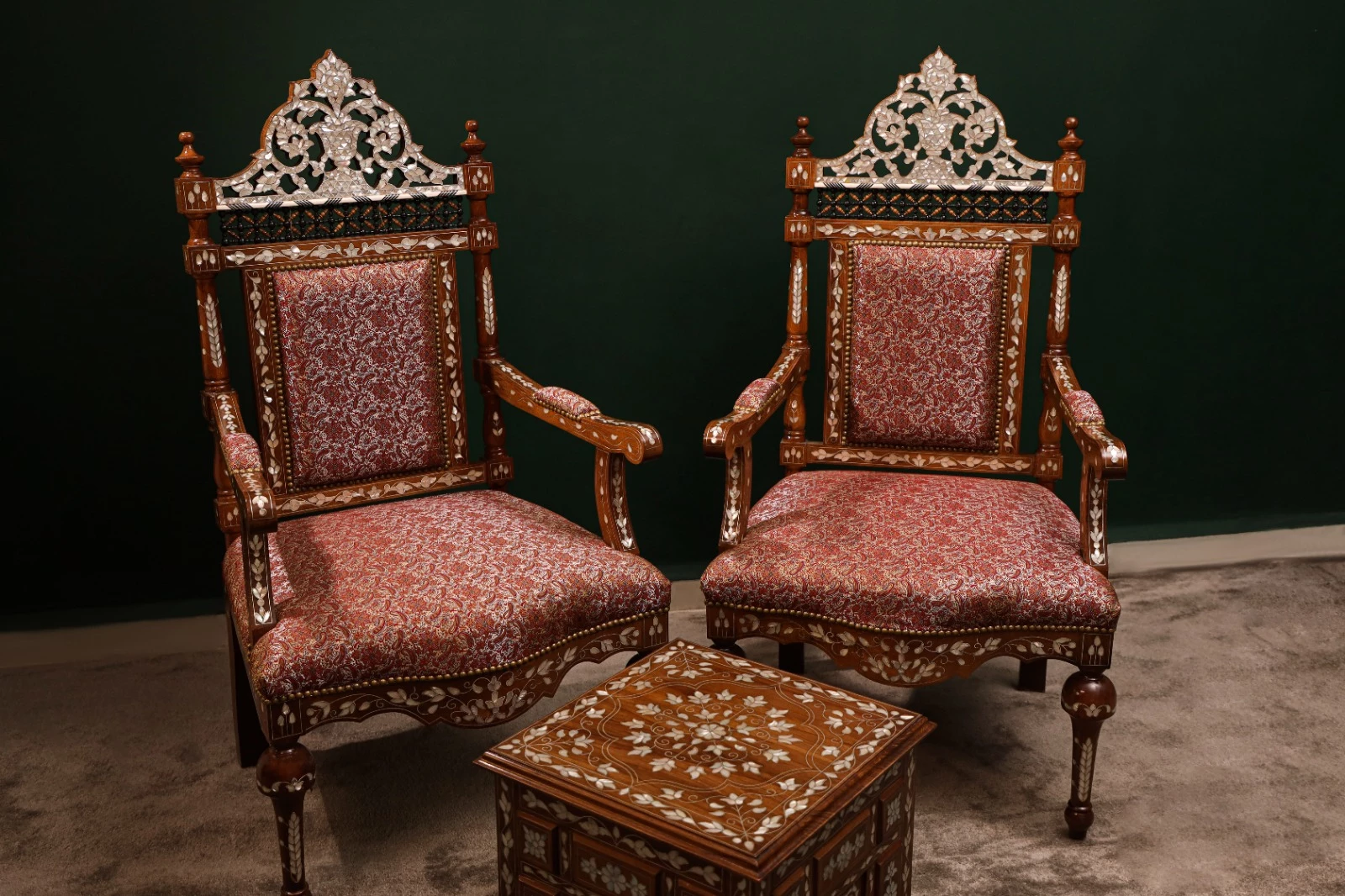
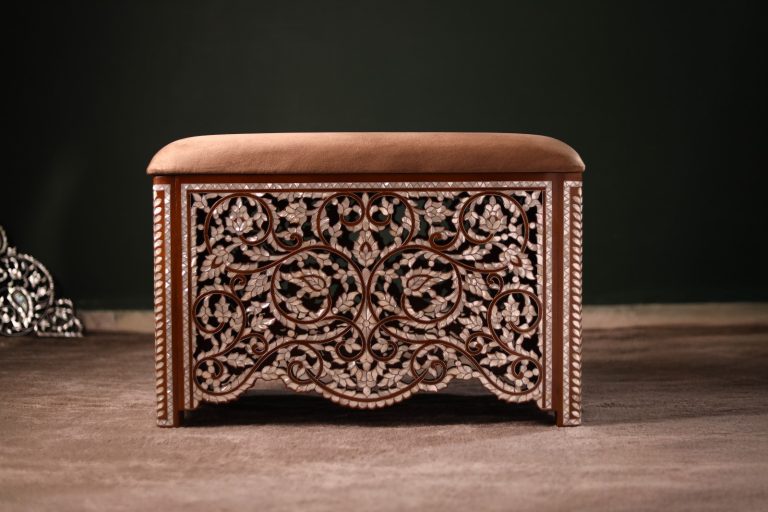
Syrian decorative arts are recognized for their intricate marquetry, especially the refined combination of natural woods with mother-of-pearl, bone-colored inlay, and sometimes copper accents. In Damascene craftsmanship, a pattern is not printed onto a surface. It is built piece by piece, creating detail that catches the eye differently from every angle.
Walnut is particularly prized for its deep grain and natural strength. Lemon wood introduces a lighter, golden contrast that makes the inlaid motif more vivid. Together, these materials create a luxurious tension: dark, substantial wood framing delicate, luminous ornament. A well-made mosaic box or side table can feel both grounded and breathtaking.
This work also carries cultural meaning. Repeating stars, polygons, floral scrolls, and radial motifs reflect a long regional design language shaped by architecture, hospitality, and Islamic art. You do not need to build an entire room around one tradition to appreciate it. One exceptional piece can create a respectful, unmistakable connection to that heritage.
Choose a Statement Piece Before Adding Smaller Details
The most successful interiors give ornate craftsmanship room to breathe. Rather than scattering many small decorative objects across every surface, begin with one substantial piece that establishes the room’s character.
A mother-of-pearl inlaid coffee table is a natural choice for a living room where guests gather. It becomes a conversation piece even when the rest of the room is calm and contemporary. In an entryway, a mosaic console or handcrafted organizer offers a welcoming first impression without requiring a complete redesign. For a dining room, an inlaid serving tray creates an elegant center for coffee service, sweets, or celebratory entertaining.
Scale matters. A grand, heavily inlaid furniture piece has the presence to anchor a spacious room, hotel lobby, or executive office. In a smaller apartment or a more restrained interior, choose an exquisite box, tissue holder, wall plaque, or tabletop tray instead. The detail remains powerful, but the room does not become visually crowded.
Match Function to the Way You Live
The finest decorative objects should be seen and used. A handmade tissue box turns an everyday necessity into a polished accent in a guest bathroom, office, or sitting room. A serving tray brings warmth and ceremony to tea, Arabic coffee, or after-dinner desserts. A chess or backgammon set invites guests to linger, while remaining a remarkable display object between games.
For a home that welcomes family and friends often, select pieces that perform during gatherings: trays, tables, drink stands, and game sets. If you are furnishing a private reading room, bedroom, or office, a jewelry box, document organizer, small chest, or framed Islamic art may feel more personal. This is where Syrian decor becomes especially rewarding: it makes daily rituals feel less ordinary.
How to Style Syrian Decor Pieces Without Overdoing It
Ornate inlay has a strong visual voice. The key is contrast, not competition. Let the handcrafted piece sit against materials with quieter texture, such as linen upholstery, plaster walls, soft neutral rugs, black metal, leather, or plain wood flooring. This allows pearl and copper details to become the highlight rather than one pattern among many.
A modern room can be an ideal setting. Picture a clean-lined cream sofa, a textured ivory rug, and a richly inlaid walnut coffee table. The combination feels collected instead of themed. Likewise, a traditional interior benefits from a measured approach: pair a carved or mosaic piece with solid-color textiles and avoid surrounding it with too many unrelated ornate finishes.
Color can guide the composition. Deep walnut pairs beautifully with ivory, sand, camel, charcoal, forest green, burgundy, and midnight blue. Mother-of-pearl offers a natural shimmer that works with both warm brass lighting and cooler silver-toned accents. Copper inlay is especially striking near terracotta, tobacco leather, muted pink, or earthy stone.
Lighting deserves attention. Place a pearl-inlaid piece where daylight or warm lamplight can reveal the changing tones of its surface. A dark corner may conceal the intricate work that makes the piece special. At the same time, avoid harsh glare, which can flatten the texture and distract from the craftsmanship.
Build a Coordinated Collection Slowly
A matching suite can be magnificent, particularly in a formal salon, hospitality setting, or large residence. Yet a room does not need a dozen matching objects to feel complete. Often, a larger furniture piece and one or two related accents are enough.
For example, pair an inlaid side table with a coordinated tissue box and serving tray, then stop. In a dining space, a mosaic centerpiece and a small collection of handcrafted coasters can echo one another without creating clutter. Repeating one material – walnut, pearl, or copper – is more elegant than repeating every pattern exactly.
This restrained approach also gives you freedom to add pieces over time. An heirloom-quality object should earn its place through beauty, craftsmanship, and usefulness, not through a rush to fill a room.
Authentic Materials Matter More Than a Perfect Finish
When choosing Syrian decor, look beyond a photograph. Genuine artisanal work has character: variations in wood grain, tiny shifts in natural shell tones, and hand-laid geometric details that reveal the maker’s labor. These qualities are not flaws. They are evidence that your piece was made by skilled hands rather than produced as generic factory décor.
Ask about the materials used and the construction behind the surface. Natural walnut and lemon wood have a different weight, depth, and aging quality than imitation wood finishes. Mother-of-pearl inlay should have dimensional light play, not a flat printed shine. On larger pieces, stable construction and careful finishing are as important as the decorative pattern itself.
Customization can be worthwhile when your room has specific needs. A custom console may need a narrower depth for an entryway. A coffee table may need a particular wood tone to complement existing cabinetry. For a hotel, office, or residence with a defined design palette, selecting dimensions and patterns before production creates a far more intentional result. At Damasch Magic East, bespoke projects can be guided by sketches, finish samples, and workshop updates, helping clients invest with confidence.
Care for Inlaid Wood as You Would Any Fine Furnishing
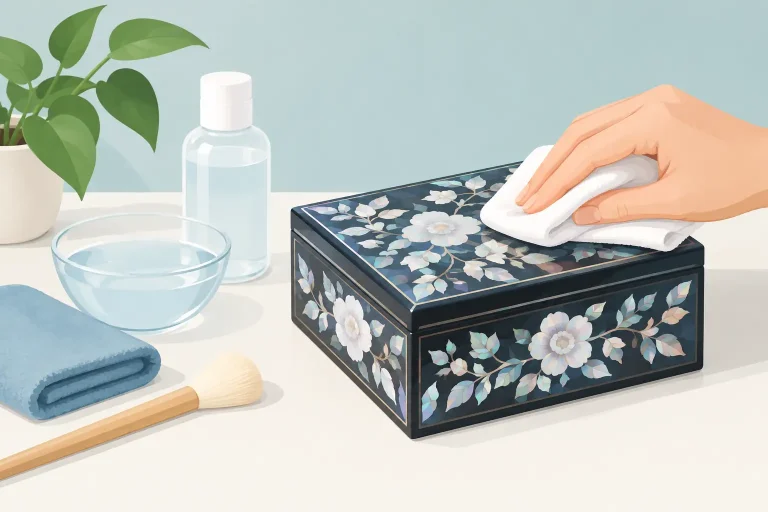
Handcrafted Syrian pieces are made to be enjoyed, but they benefit from thoughtful care. Dust with a soft, dry microfiber cloth and clean spills promptly with a lightly damp cloth, followed by drying. Avoid abrasive cleaners, alcohol-based sprays, soaking, and harsh chemical polishes that may affect the wood finish or delicate inlay.
Keep furniture away from prolonged direct sun, intense heat sources, and dramatic changes in humidity where possible. Like any natural wood furnishing, it responds to its environment. Use coasters beneath drinks, felt pads under objects, and a protective mat when serving hot dishes on a decorative tray.
A little attention protects more than a purchase. It preserves the glow of natural wood, the sparkle of pearl, and the craftsmanship that makes the piece worth passing along.
The right Syrian decorative piece should feel as though it belongs to your life, not just your display shelf. Choose the object that you will touch, use, and notice every day – then let its Damascus-born artistry make the room unmistakably yours.