Why a Luxury Wooden Tissue Box Cover Matters
A tissue box is usually treated as something to hide. Yet on a coffee table, vanity, bedside table, desk, or guest-bathroom counter, it is often one of the first objects people see. A luxury wooden tissue box cover changes that ordinary necessity into a deliberate decorative detail – one that brings warmth, craftsmanship, and a sense of welcome to the room.
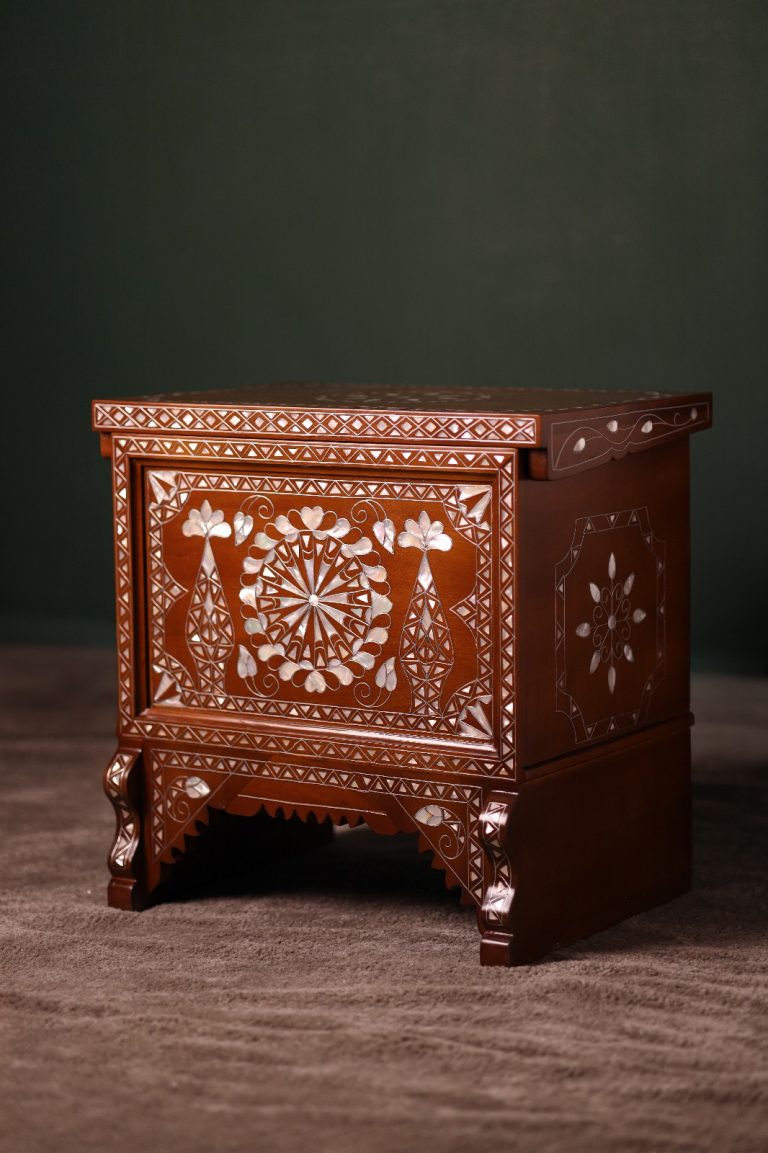
For homes that favor natural materials and meaningful ornament, a handcrafted tissue cover is not a minor accessory. It is a small expression of taste. Rich walnut, luminous lemon wood, mother-of-pearl, and fine copper inlay can turn a practical item into an exquisite accent with the presence of a collectible object.
The Quiet Power of a Luxury Wooden Tissue Box Cover
The difference is visible before it is explained. A plastic tissue box often introduces bright packaging, commercial graphics, and disposable texture into an otherwise carefully composed interior. A wooden cover replaces that visual interruption with a material that feels settled, substantial, and enduring.
In a living room, it can echo the grain of a walnut side table or a hand-carved tray. In a bedroom, it adds a polished finish beside perfume bottles, books, and a jewelry box. In a powder room, it offers guests a detail that feels thoughtful rather than utilitarian. The piece does not need to dominate the room to make an impression. Its charm comes from bringing beauty to an object people expect to overlook.
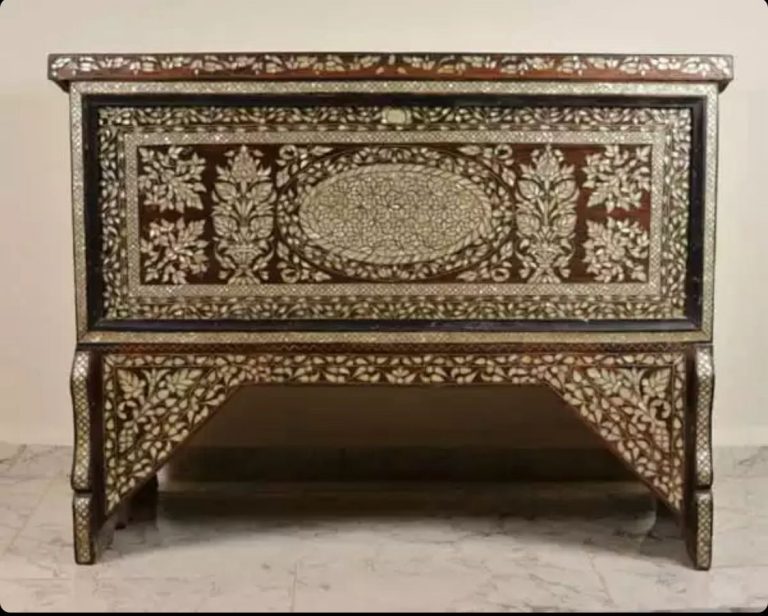
This is especially true when the cover carries the visual language of Damascene marquetry. Geometric patterns, floral motifs, mother-of-pearl accents, and copper details lend a sense of history to a contemporary setting. The result can sit comfortably in a traditional interior, a richly layered Mediterranean room, or a clean modern space that needs one distinctive handcrafted note.
Why Handmade Wood Makes the Difference
Luxury should be felt in the material as much as seen in the pattern. Natural walnut offers depth, expressive grain, and a warm brown tone that becomes more inviting with time. Lemon wood brings a lighter, golden character and creates a beautiful contrast with darker inlay. Neither has the flat, uniform appearance of factory-made composite materials.
Handmade construction also gives each piece individuality. Slight variations in grain direction, pearl placement, and the rhythm of an inlaid motif are not flaws. They are proof that the object passed through skilled hands. For buyers who appreciate authentic decorative arts, this individuality is part of the value. A handcrafted cover does not look copied from a production line because it is not.
Mother-of-pearl deserves special attention. Its soft, shifting sheen catches light in a way paint and printed decoration cannot. On a table near a lamp or window, pearl inlay reveals delicate flashes of ivory, silver, and warm color as the room changes throughout the day. Copper inlay adds a deeper glow, creating contrast and outlining the artisan’s pattern work with precision.
The finest pieces balance ornament with proportion. A tissue cover should feel luxurious, but it must still serve its simple purpose. The opening should allow tissues to pull easily, the base should sit securely, and the overall shape should complement the box inside rather than fight with it.
Choosing a Tissue Cover for Your Space
The right design depends on where it will live. A formal receiving room can carry a bolder mosaic pattern or a detailed mother-of-pearl composition. Here, a tissue box cover may become part of a larger story beside an inlaid serving tray, a mosaic box, or a statement water fountain.
A bedroom usually calls for a more intimate approach. Walnut with restrained pearl detail creates warmth without making the nightstand feel crowded. If the room already includes patterned textiles, carved furniture, or colorful rugs, a simpler wood-forward design often provides the better balance.
For an office or executive desk, consider the mood you want visitors to experience. Dark walnut and geometric copper inlay feel confident and refined. A cover in this setting signals attention to the details that make a workspace feel considered, especially when paired with a matching organizer or document box.
Bathrooms require a practical decision as well as an aesthetic one. Wood belongs in a well-ventilated powder room or guest bath, where it can remain dry and beautiful. In a constantly steamy bathroom, place the cover away from direct splashes and heavy moisture. Natural wood is durable, but it should not be asked to behave like plastic.
Size and Function Should Come First
An ornate cover is only useful if it fits the tissue box it is meant to hold. Before choosing a piece, measure the length, width, and height of the tissue box you use most often. Keep in mind that brands vary, and even boxes from the same brand can change dimensions between product lines.
A cover with a little interior allowance makes refilling easier, while one that is too loose may look awkward or shift when a tissue is pulled. The opening matters, too. It should be generously shaped enough for smooth use without exposing more of the cardboard box than necessary.
For clients furnishing homes, suites, offices, or hospitality spaces, custom dimensions are often the wise choice. A bespoke piece can be created around a preferred tissue format, selected wood tone, and chosen inlay pattern. This is particularly valuable when several rooms need a coordinated finish or when a hotel wishes to carry one decorative identity from lobby to guest suite.
A Small Object With a Strong Gift Presence
A luxury tissue box cover is an unexpectedly memorable gift because it is both beautiful and useful. Unlike a decorative object that may remain stored away, it earns a place in daily life. Every time it is used, it reminds the recipient of the occasion and the person who selected it.
It suits housewarmings, weddings, anniversaries, holiday gatherings, and corporate gifts with a more personal character. For someone who values Middle Eastern artistry, Islamic geometric design, or handcrafted woodwork, an inlaid cover can feel far more meaningful than a generic luxury gift.
The most compelling gift choices take the recipient’s home into account. Choose darker walnut for an interior with leather, antique brass, or deep jewel tones. Select lighter lemon wood for airy spaces, pale stone, and soft neutral palettes. A highly detailed pearl motif works beautifully for a collector, while a restrained design may be the stronger choice for someone building a modern home.
Caring for Inlaid Wood With Respect
A handcrafted cover needs uncomplicated care, not harsh treatment. Dust it with a soft, dry cloth and clean spills promptly with a lightly damp cloth, followed immediately by drying. Avoid abrasive cleaners, alcohol-based sprays, and soaking the piece in water, as these can dull finishes and affect delicate inlay over time.
Keep it away from sustained direct sunlight, radiators, and extreme humidity changes when possible. These precautions help protect the wood’s natural beauty and preserve the clean lines of pearl and copper work. If a piece is used in a busy household, that does not mean it must be hidden away. It simply means it should be enjoyed with the same care given to a fine wooden tray or heirloom furniture.
A luxury wooden tissue box cover proves that practical objects do not have to be anonymous. From the heart of Damascus, a finely inlaid piece brings artistry to the gestures of everyday hospitality – and gives even the simplest room a more gracious place to begin.